

Introduction
A missed sales meeting can feel like watching a perfectly good lead vanish right in front of you. The slot is blocked on the calendar, the team is ready, the deck is built, and then nothing. No email, no call, no show. Multiply that by dozens or hundreds of B2B sales appointments each quarter and the impact becomes huge. Across U.S. businesses, missed appointments add up to an estimated $150 billion in lost revenue each year, with a single no-show often costing around $200 or more—a challenge that extends beyond sales into healthcare, where research shows A Solution to Reduce patient no-show behavior through artificial intelligence can significantly impact operating costs.
For B2B sales teams, no-shows are not simple scheduling hiccups. They stall pipeline, waste SDR time, throw off forecasts, and drain team energy. When someone searches for how to reduce no-show appointments, they are usually feeling that hidden drag on quota and wondering why carefully booked meetings keep disappearing. Decision makers are busy, inboxes are packed, and one small friction point can be enough for a meeting to drop off their radar.
This guide walks through what makes B2B sales appointments different, why no-shows hurt so much, and what actually works to bring rates down in 2026. It covers how to measure your no-show rate, build a reminder system that people respond to, shorten lead times without burning out the team, and use relationship building, incentives, and clear policies to keep calendars full. By the end, you will have a practical playbook you can apply across your team to protect revenue, respect everyone’s time, and build a more predictable pipeline.
Key Takeaways
Reducing no-shows starts with clear measurement and honest math. When you calculate your no-show rate by appointment type, lead source, and rep, patterns appear that explain why some meetings vanish more often than others. Once you see those patterns, you can pick focused strategies instead of guessing or blaming lead quality.
Reminders and scheduling tactics are only part of the answer. A strong process also uses human connection, pre-meeting education, and clear expectations so prospects feel a real commitment, not just a calendar invite they can ignore. When prospects understand exactly what they gain from the call, they are far more likely to show up.
Outsourced partners like Superhuman Prospecting reduce no-shows at the source by qualifying harder, speaking with prospects in real human terms, and confirming meetings with care instead of automation alone. When every booked meeting reflects genuine interest, your team spends more time in real conversations and less time staring at empty video rooms.
Understanding The True Cost Of No-Show Appointments In B2B Sales
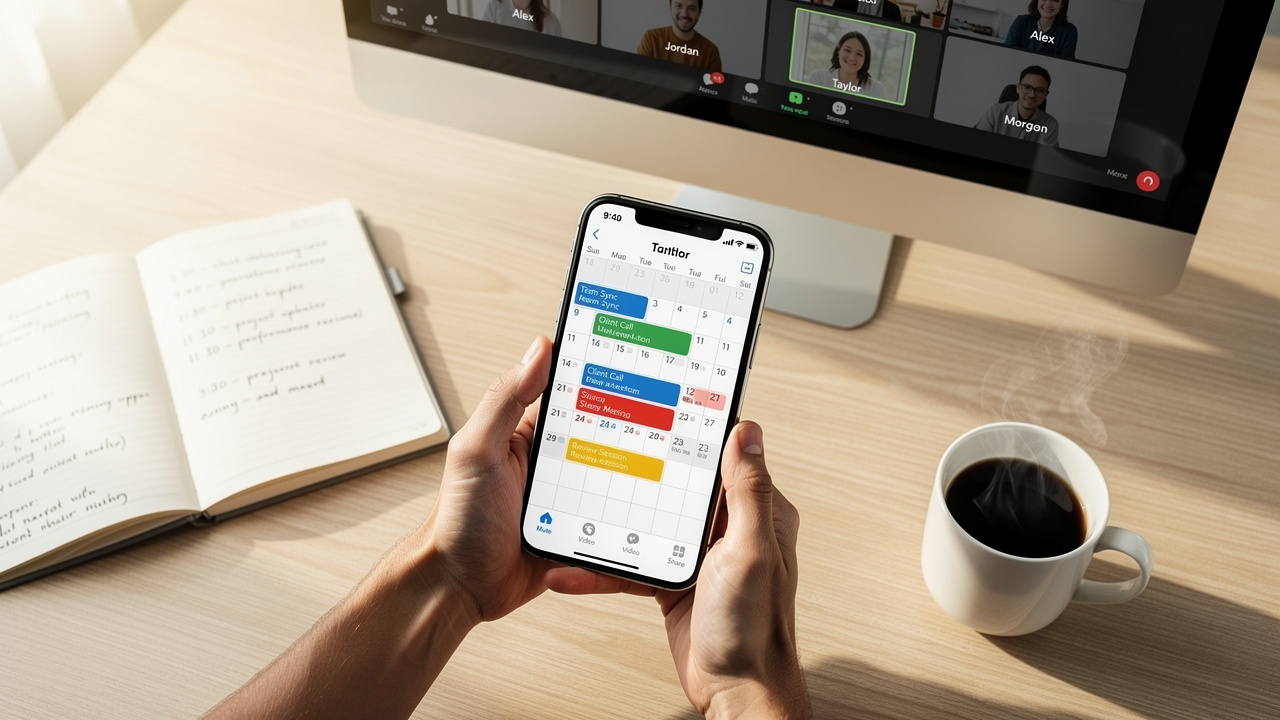
No-shows in B2B sales drain far more than a half hour on a calendar. Each missed meeting represents SDR outreach, research, qualification, and scheduling that will never pay off. Add in prep by an account executive or sales engineer, along with the hidden cost of tools, content, and management time that support those calls, and that $200 estimate per missed appointment can be conservative for many teams.
The damage builds as no-shows stack up over the quarter:
Forecast drift: Pipeline on paper stops matching the meetings that actually occur. If the team assumes a certain conversion rate from held meetings to opportunities, but a large slice of those meetings never takes place, the math under your revenue projections breaks.
Scramble at quarter-end: Leaders rush late in the quarter to fill gaps that could have been spotted months earlier if no-show impact was visible.
Morale issues: SDRs and BDRs may spend hours lining up appointments with the right titles, only to sit alone in a video room. After enough of those, they stop trusting the calendar and start doubting their own work.
Opportunity cost: While one prospect is missing your call, a competitor’s team may be speaking with them, shaping their view of the problem, and guiding them toward a different vendor.
There is also the simple cost of empty time. That slot could have gone to another qualified prospect or to deeper work on a key account. An 18% no-show rate, which is close to the national average across industries, means almost one in five meetings disappears. In some B2B segments without any focused strategy to reduce no-show rates, figures in the 30–40% range are common. The first step to changing this picture is to measure it clearly instead of guessing.
How To Calculate Your No-Show Rate (And What The Numbers Really Mean)
You cannot fix what you do not measure, and that applies directly to missed meetings. The basic no-show rate formula is simple:
No-Show Rate = (Missed Appointments ÷ Scheduled Appointments) × 100
If your team schedules 75 demo calls in a month and 15 prospects never join, the no-show rate for that demo type is 20%.
This number becomes far more useful when you break it down:
By meeting type: discovery calls, product demos, technical deep dives, executive reviews.
By lead source: outbound sequences, inbound demo requests, partner referrals, events.
By rep or SDR: how different people’s approach affects attendance.
By prospect seniority: manager level vs. director vs. C-level.
Often one type of meeting has a much bigger problem than the others.
“What gets measured gets managed.”
— Peter Drucker
Recent data suggests best-in-class B2B teams keep their overall no-show rate near 8–12%. To move in that direction, you need:
A baseline number.
A clear view of where no-shows cluster.
A habit of reviewing those numbers regularly before changing your playbook.
Building A Multi-Channel Appointment Reminder System That Actually Works
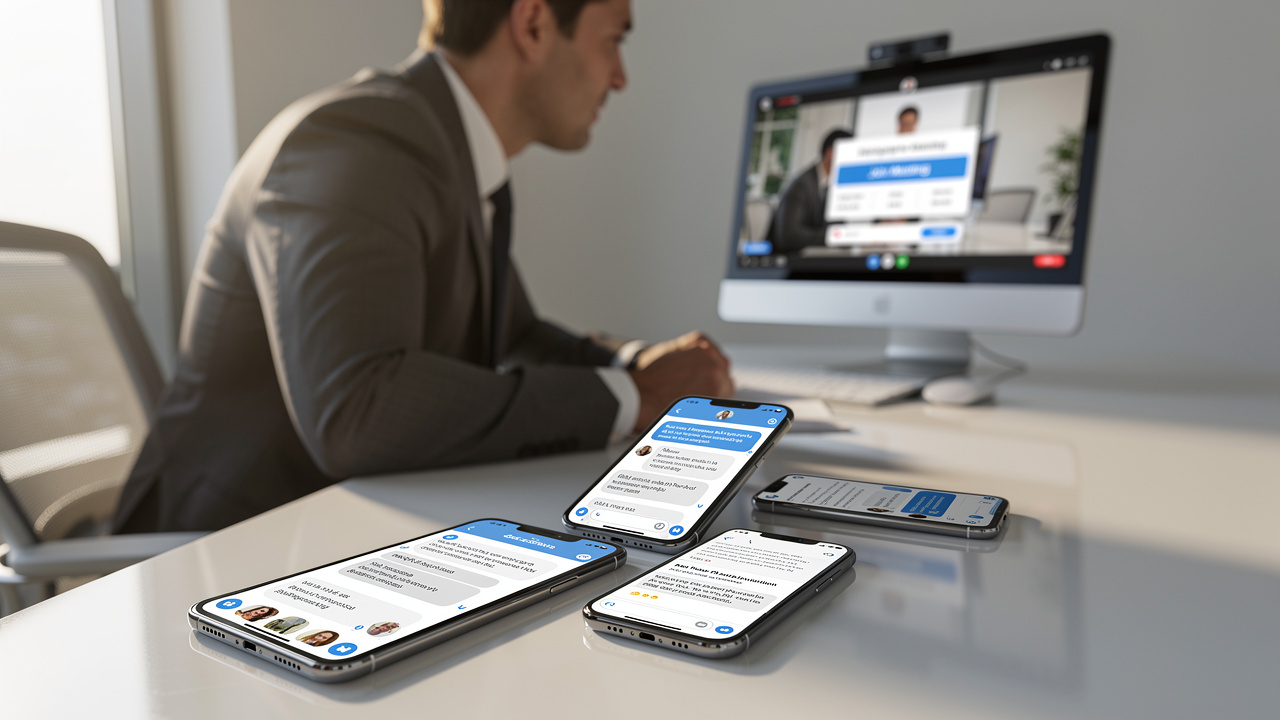
Modern buyers are flooded with messages, invites, and links, so a single confirmation email often fades into the background. A strong multi-channel reminder system for B2B sales appointments does more than repeat the date and time. It reminds prospects why the meeting matters, makes it easy to confirm or reschedule, and uses the channels they actually watch.
A simple, effective cadence might look like this:
Immediate confirmation when the meeting is booked, so prospects can add it to their calendar and see key details.
48-hour reminder that confirms time, outlines the agenda, and offers a reschedule link.
24-hour reminder that reinforces value and confirms participants.
Same-day reminder (2–4 hours before) through the channel they are most likely to see, often SMS.
Each step should add fresh value instead of repeating the same generic line.
Two-way communication is central to how to reduce no-show appointments. If a prospect has to dig for a calendar link or send three emails to move a slot, the odds of a silent no-show rise sharply. When they can reply to a text or click one button in an email to pick a new time, they are much more likely to stay engaged even when conflicts appear. Your CRM and reminder tools should work together so these touches happen without extra manual work, while still feeling personal.
It also helps to connect reminders directly to the value of the meeting. A note that only says the time and link might be ignored. A reminder that promises to review three cost-saving ideas or walk through a custom benchmark for their industry is harder to brush aside. This is where your messaging and your process intersect, and a team like Superhuman Prospecting can help design reminders that sound human, not canned.
Using SMS Text Reminders For Maximum Engagement
Text messages almost always get seen. Studies show that more than 90% of texts are opened within minutes, which makes SMS ideal for same-day reminders. When you want prospects to remember a call later that afternoon, a short text often works better than another email buried under newsletters.
Effective SMS reminders are:
Short: A sentence or two.
Personal: Include the prospect’s name and the rep’s name.
Clear: State the time and outcome for the call.
Actionable: Offer a simple way to confirm or reschedule.
For example:
“Hi Jordan, this is Alex from Acme. Looking forward to our 2:00 PM call to review ideas for cutting your outbound no-show rate. Reply C to confirm or R for a new time: [link].”
Bidirectional SMS, where prospects can reply with a single letter or short word to confirm or move the time, removes friction and often cuts no-show rates.
You must collect consent for text messages during the booking process and explain what type of messages you will send. Once that is in place, time your main SMS reminder for 2–4 hours before the meeting. That window is close enough for the message to stay fresh in their mind, but not so close that they feel rushed or surprised.
Creating Email Reminders That Reinforce Value
Email still plays an important role because it allows more detail. An ideal reminder email does more than say when to meet. It includes:
The agenda.
Who will join.
How long the meeting will last.
Any simple prep that will make the time productive.
This gives busy leaders confidence that the call will respect their schedule.
A short section that explains what you will cover can refresh their interest. Mention two or three topics that link directly to their goals or pain points, such as cutting customer acquisition cost or speeding up outbound prospecting. Attaching a short case study, one-pager, or relevant article shows that you did your homework and that this is not a generic pitch.
Always attach a calendar file so the prospect can add the meeting with one click if they have not already. Set the sender as the specific sales rep they will meet with rather than a generic address. When the reminder comes from a real person, prospects are more likely to skim it, reply with questions, and feel a sense of commitment.
When To Use Phone Call Reminders For High-Value Prospects
Phone reminders require more effort, so they work best for meetings with high potential payoff. That might include enterprise opportunities, C-suite calls, or prospects who have already missed once. In these cases, a brief call from the SDR or account executive can both confirm details and deepen the relationship.
The tone of these calls should feel like a helpful check-in, not a rigid script. You can:
Confirm the time.
Ask if anything has changed on their side.
Invite questions about the agenda.
Offer alternate times if they hint at a conflict.
These conversations often surface hidden concerns that would otherwise lead to a silent miss.
Keep the call short and respectful. The goal is to remind them that a real person is preparing for this conversation and values their time. That human touch, combined with your other reminder channels, can make a big difference for the meetings that matter most.
Optimizing Your Scheduling Process To Minimize Lead Time
How and when you set the meeting is one of the strongest drivers of whether it will happen. Data across industries shows that same-day appointments have no-show rates near 2%, while meetings booked more than 15 days out account for roughly a third of all misses. In B2B sales, long gaps give other projects, fires, and vendors many chances to push your call off the calendar.
The psychology is simple. Right after a good discovery call, interest is high and the problem feels urgent. Two weeks later, the urgency has faded, new priorities have arrived, and the meeting can feel optional. To cut no-shows, you want to shorten the time between agreement and actual conversation as much as your team can reasonably handle.
This is where operational planning matters. You need room on calendars for fast follow-up without leaving reps idle. One approach is to:
Reserve specific blocks each day for new meetings booked within 48 hours.
Reserve other blocks for later-dated meetings.
Give SDRs clear rules on when longer lead times are acceptable.
For highly qualified prospects with clear projects and buying power, a slightly longer lead time may be helpful so you can prepare a custom demo. Less qualified or earlier-stage prospects often benefit from near-term calls that keep momentum high.
Your scheduling rules should reflect this mix. That might mean adding more next-day and same-week slots, giving SDRs guidelines on when to book further out, and reviewing lead times as part of pipeline health checks. When you see where long gaps appear and how they tie to no-shows, you can adjust with more confidence.
Implementing Self-Scheduling Tools To Increase Commitment
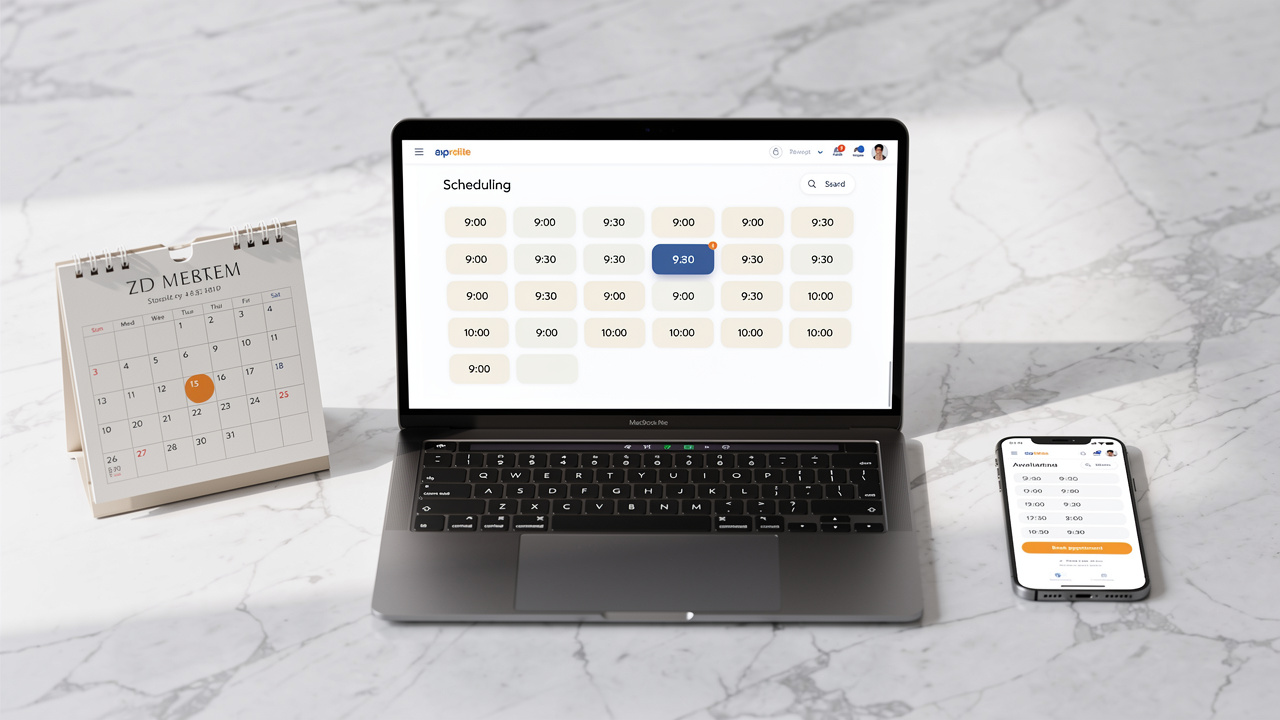
Letting prospects pick their own time can boost both commitment and convenience. Surveys show that many people prefer to book appointments themselves when they can, and that sense of control often reduces cancelled or missed meetings. B2B buyers, especially in SaaS and complex services, expect an easy way to see open times that match their calendar.
Look for scheduling tools that:
Work smoothly on mobile.
Detect time zones.
Connect with your video platforms and CRM.
On the booking page or link, set clear expectations about what the meeting covers, who will be there, and how long it will take. That simple context helps prospects choose a slot that fits real openings in their week instead of guessing.
Structure your availability with buffer time between calls so you are not rushed and to leave room for follow-up notes. Use different meeting types with preset lengths (for example, 20-minute discovery calls and 45-minute demos) so the system can place them intelligently. You can still protect your team’s focus by blocking out deep work windows and turning off certain times for specific roles. Self-scheduling reduces back-and-forth emails, which often drag on for days and increase the risk that the prospect loses interest.
Offering Flexible Scheduling Hours For Busy Decision-Makers
Senior leaders and owners often have calendars packed from the start of the formal workday to the end. For them, the most realistic times for a strategic call may be early in the morning or early evening. If you only offer standard 9–5 slots in their time zone, they may agree in the moment but later struggle to make it work.
Adding a few early morning slots between 7:00 and 8:00 a.m. or early evening times between 5:00 and 7:00 p.m. can make a big difference in attendance for high-value contacts. The return on this flexibility is often high because these prospects control larger budgets and wider scopes. To protect your team, you can:
Rotate who covers these hours.
Limit them to specific days.
Reserve them for strategic accounts.
You can also look at patterns in your own data. Over a few months, notice which times fill fastest and which keep the highest show rates. Short surveys after calls or simple analysis of booking patterns can guide where to add or remove extended hours so you hit the right balance between prospect convenience and team well-being.
Establishing And Communicating A Professional No-Show Policy
A clear no-show policy can feel risky in sales, yet it often builds respect on both sides. When framed well, it signals that your team prepares carefully for every meeting and that time is valuable for everyone involved. This sense of mutual respect can lower casual no-shows because prospects understand that skipping a call without notice affects more than a calendar block.
In B2B sales, fees for missed meetings are rare and can backfire if used in the wrong way. Still, some level of consequence or reset point helps. For example, after repeated no-shows, you might:
Require an executive sponsor to be involved before rescheduling.
Explain that earlier promotional terms may no longer apply.
Move the account to a lower scheduling priority.
The point is not punishment. It is to keep limited calendar space reserved for prospects who are ready to engage.
From a behavioral angle, written policies tap into the human desire to keep agreements. When someone clicks a box that says they understand you need 24 hours’ notice to cancel, or that repeated no-shows may delay future bookings, they are more likely to manage their schedule or reach out when conflicts appear. For this to work, you need a policy that is fair, clear, and applied consistently across the team.
Key Components Of An Effective B2B No-Show Policy
A strong B2B no-show policy is simple enough that everyone can remember it yet detailed enough to cover common situations. Core elements usually include:
Notice window:
24 hours for standard calls.
48 hours for complex sessions involving several people or a sales engineer.
Progressive responses:
First miss: friendly reminder of the policy and an offer to reschedule.
Second miss: loss of special pricing, delay in scheduling with senior experts, or lower place in your queue.
Exception handling:
Flexibility for emergencies, severe weather, or major internal events.
Clear note that repeated no-shows may require a senior stakeholder to be involved in setting the next meeting.
This graded approach feels more fair than a hard rule after one issue, while still protecting your team’s time.
Communicating Your Policy Without Creating Friction
How you share your policy matters as much as what it says. The goal is to make it visible and normal, not scary or hidden. Simple ways to do this:
Include a short, friendly line about it in booking confirmations and reminder emails. Mention your notice window and that it helps you reserve focused time for every client.
Use automated follow-up sequences to repeat this in soft ways, such as noting that your team blocks time to prepare and that last-minute changes can limit how quickly you can serve others.
Place the full policy on your meeting booking page or a linked page on your site so prospects can read details if they wish.
Avoid opening live sales calls by talking about policy. Instead, weave it into the natural flow when you are setting the meeting or sending the calendar link. Frame it as something that benefits prospects because it helps your team show up ready, with research done and resources in place. When the policy feels like part of a professional process rather than a trap, prospects accept it and respect your time more.
Strengthening Prospect Relationships To Foster Commitment

People tend to show up for people, not for links. This simple idea sits under many of the most effective ways to lower no-shows. When prospects feel they know and respect the person on the other side of the call, skipping without a word feels uncomfortable. When the relationship feels transactional or anonymous, it is much easier to ignore the invite.
“People don’t buy from companies; they buy from people they trust.”
— Common sales principle
Transactional approaches treat meetings like units to be filled. The SDR reads a script, drops a calendar link, and moves on. Relationship-driven approaches slow down long enough to understand context, ask better questions, and connect the meeting to what the prospect actually cares about. Both can book meetings, but the second style almost always leads to higher show rates and better conversations.
Building that level of connection at scale requires both human effort and smart use of tools. A CRM is not just a database. It is a memory system that lets every touchpoint feel personal without asking people to remember everything. When used well, it allows even outsourced partners like Superhuman Prospecting to sound like a natural part of your own team while they set meetings that prospects want to attend.
Personalizing Every Touchpoint From First Contact To Meeting Day
Personalization starts with listening during early calls or emails. When prospects share a key challenge, a growth target, or a concern about their current process, note it carefully. The same goes for preferred communication channels, time zones, and small personal details that are appropriate to remember. These details later become anchors that make your messages stand out.
Your CRM should hold fields for:
Preferred communication channel.
Last topic discussed.
Project names or internal goals the prospect mentioned.
Role, seniority, and buying authority.
When you send reminders or follow-ups, refer back to those specifics. Instead of a generic line, you might mention that the upcoming call will cover ways to shorten their sales cycle or cut no-show appointments across their own team. That direct tie to their words shows respect and attention.
Have the actual rep who will run the meeting send at least one personal reminder. This might be a short email the day before, written in their own voice, referencing a past exchange. After the call, thank prospects who arrived on time. That simple recognition reinforces the behavior you want and strengthens the sense that their effort to attend was noticed.
Educating Prospects On Meeting Value Before The Appointment
Another way to boost attendance is to raise the perceived value of the meeting ahead of time. Instead of a vague invite, treat it like a short strategy session with clear outcomes. You can do this with a brief pre-meeting email sequence that shares:
A case study related to their situation.
An industry data point that highlights the stakes.
A few questions that will guide the discussion.
A short document that sets expectations can help. Outline:
What will happen in the first few minutes.
What you hope to cover in the middle.
What type of next steps you might explore if there is a fit.
Make it clear that this is not a high-pressure pitch but a working session aimed at understanding their situation and options.
Include one or two customer stories that mirror their context. For example, if they lead a small outbound team, share how another small team reduced their own no-show rate and what that did for their pipeline. You can also ask prospects to bring certain numbers or questions. When they invest a bit of effort ahead of time, they are more likely to follow through and join the call.
Addressing Anxiety And Building Trust With Hesitant Prospects
Some no-shows are not about time at all. They come from quiet worries. B2B buyers may fear being stuck in a hard sell, worry about revealing budget limits, or feel unsure about how much change a new tool might require. When those feelings rise and there is no trust yet, skipping the meeting can feel safer than facing an uncomfortable call.
To lessen that risk, bring possible concerns into the open early. During the scheduling conversation, explain that the call is consultative and focused on their success, with no obligation to move forward. Use plain language and avoid heavy jargon so the meeting feels safe and clear rather than intense or confusing.
Share short quotes or stories from similar clients who felt the same way and later found value. Above all, practice active listening when prospects raise doubts. Reflect what you hear, ask simple follow-up questions, and thank them for being honest. That kind of human response can turn a hesitant contact into someone who feels seen and chooses to show up.
Respecting Your Prospects’ Time To Earn Their Respect
No-show appointments are not only about what prospects do. They are also shaped by how your team behaves. If your reps arrive late to calls, cancel often, or seem unprepared, prospects learn that meetings with you may not be worth the effort. Over time, this erodes trust and gives them one more reason to skip or cancel on short notice.
The principle of reciprocity applies strongly here. When you respect your prospects’ time by starting on time, finishing on time, and making every minute useful, they are more likely to respect your schedule in return. On the other side, long delays and last-minute changes can push them toward other vendors. Research shows that close to 89% of people switch to a competitor after a poor customer experience, and late or messy meetings count as poor experiences.
“Time is the scarcest resource; if it is not managed, nothing else can be managed.”
— Adapted from Peter Drucker
Operational excellence around meetings sends a powerful signal. A prospect who joins a call where the rep is already present, video and audio tested, and an agenda on screen quickly feels they are in good hands. That feeling not only supports this meeting, it also shapes how they treat future calls with your company. Reducing no-shows is partly about prevention and partly about earning the right to be on their calendar again.
Implementing Systems To Ensure Your Team Is Always Prepared
To keep your team on time and ready, you need more than good intentions. Helpful steps include:
Using scheduling software that adds buffer blocks between meetings so reps can finish notes, reset, and review the next prospect’s details.
Creating a simple pre-meeting checklist:
Review key notes from the CRM.
Test the video link.
Confirm any shared content.
Outline two or three opening questions.
Joining each call 2–3 minutes early to allow room for quick tech fixes and to show professionalism when the prospect arrives.
Some teams benefit from centralized calendar support, where a coordinator or shared set of rules controls open slots instead of each rep setting their own patterns. Regular reviews of punctuality metrics help you spot trends, such as certain times of day when delays stack up. Being prepared also means understanding the prospect’s company and market. When you arrive ready with relevant observations, you show that you did the work, which makes prospects feel their time is well spent.
How Superhuman Prospecting’s Human-Centered Approach Reduces No-Shows
Most of the tactics in this guide focus on what you can do inside your own team. There is another lever though. By changing who sets your appointments and how they qualify prospects, you can cut no-shows at the source. This is where Superhuman Prospecting focuses its work with B2B companies that want stronger pipelines without building large in-house SDR teams.
Instead of chasing volume at all costs, Superhuman Prospecting centers on human-to-human conversations that surface real interest before a meeting ever hits your calendar. Their SDRs do more than read a script and drop a link. They ask thoughtful questions, listen, and help prospects connect the meeting to a clear problem they want to solve. That means the person accepting the invite already sees the upcoming call as important.
The team uses a structured process that filters out contacts who are unlikely to show up. Prospects who are only mildly curious, hard to reach, or vague about their needs rarely make it to the meeting stage. The result is fewer total appointments but a higher share of conversations that actually happen and matter. For B2B sales leaders, this shift can be worth far more than another batch of low-intent demos.
Because Superhuman Prospecting works as an extension of your brand, they also manage reminders and confirmations with care. Every appointment is logged with rich context in their Supervision dashboard and can be synced with your systems, so your reps head into calls with a clear view of the person on the other side. For companies that want to know how to reduce no-show appointments without adding internal headcount, this kind of partner can make a meaningful difference.
Building Genuine Relationships Through The H2H Sales Method
Superhuman Prospecting’s H2H Sales Method centers on the idea that business conversations are still human conversations. SDRs are trained to sound like real people who are curious about the prospect, not robots reading value props. They use open questions, mirrors, and simple language to draw out real context about the company and the person’s role.
This style of outreach often includes thoughtful touches such as:
Personalized messages.
Confirmation calls and emails.
References to details prospects shared earlier.
When someone feels that an SDR understands their struggle or goal, they are less likely to treat the follow-up call as optional.
Because this relationship building happens across multiple touches, not just one call, commitment deepens over time. The upcoming meeting feels like the next logical step in an ongoing exchange rather than a cold appointment with a stranger. That shift in feeling is one of the strongest natural defenses against no-shows, and it is something that tools alone cannot match.
Proactive Confirmation And Follow-Up Touches
Confirmation in Superhuman Prospecting’s model is not left only to automated systems. While they do use automation for basic reminders, SDRs also perform live confirmation touches when meetings are important. That might include a short email or call a day or two before the appointment to make sure the time still works and to remind the prospect what will be covered.
These touches give prospects an easy space to raise conflicts or questions. If the original time no longer fits, the SDR can quickly offer other slots instead of letting the meeting turn into a silent no-show. All these interactions are captured in the Supervision dashboard and synced to your CRM, so your sales team receives a complete history before they join the call.
This blend of automation and human follow-up is one reason clients see lower no-show rates compared with general lead vendors that only flood calendars. By treating each appointment as a real commitment instead of a number, Superhuman Prospecting helps create calendars filled with meetings that actually happen and move deals forward.
Advanced Behavioral Strategies: Incentivizing Attendance
Even with great reminders and strong relationships, some prospects still need an extra nudge to prioritize a meeting. This is where behavioral strategies come in. Rather than treating incentives as cheap gifts, think of them as ways to recognize that your prospect is investing scarce time and attention. The right incentive adds a small but real pull toward attendance.
Care is needed though. If incentives feel like bribes, they can lower the perceived value of your core service. A gift card for a basic demo may send the wrong signal. Instead, the best incentives lean on valuable content, special access, or deeper insight connected to the topic of the meeting. They reinforce the business value of showing up rather than distracting from it.
These approaches work best when you understand what your ideal buyers care about. A VP of Sales may value accurate benchmarks and frameworks far more than a physical item. A founder might appreciate an honest review of their outbound process. When your incentives line up with those real interests, you guide behavior while also building trust and authority.
Offering Valuable Pre-Meeting Resources And Exclusive Insights
One of the cleanest ways to nudge attendance is to offer access to strong resources tied to the meeting. This could include:
Proprietary research.
Industry benchmarks.
A framework your team uses to assess outbound performance.
You might share a light version before the call and mention that the deeper version or live walkthrough will happen during the meeting.
Framing access as early or limited can increase attention. For instance, you can say that only a small set of prospects are invited to review a new data set or framework and that the meeting is the place to apply it to their own numbers. This keeps the focus on business value rather than on the incentive itself.
You can also create short custom summaries for their industry or segment. These one-pagers can preview where they stand compared with peers and set up the call as a working session to unpack those findings. Senior decision makers who value insight over pitches often respond well to this two-part structure, where the resource and the conversation reinforce each other.
Implementing Pre-Payment Or Deposit Strategies For Premium Services
For certain high-value meetings, financial commitment can be a fair way to reduce no-shows. This tends to fit best when the session itself is a paid service, such as a deep audit, a long workshop, or a strategic planning call. In those cases, asking for a deposit or full payment ahead of time aligns with the value of the session.
You can make this more attractive by:
Offering a modest discount when prospects pre-pay.
Applying the fee to any future work if they move ahead.
Making the session part of a structured advisory package.
Once prospects have invested money, they are far more likely to attend, thanks in part to the human tendency to follow through when resources are at stake.
Clear policies around refunds and rescheduling help reduce friction and fear. For example, you might allow rescheduling with reasonable notice and refunds under certain conditions. Used with care, this approach can protect your team’s time on premium offerings while still feeling fair to serious buyers who see the value of that deeper work.
Creating An Effective No-Show Follow-Up Protocol
Even the best systems will not erase every no-show. Life happens, and some prospects will still miss a meeting. What you do next can decide whether that lead is gone for good or simply delayed. A structured follow-up protocol helps your team respond with empathy, speed, and consistency instead of frustration or silence.
The first goal is to remove awkwardness. Many prospects feel a bit embarrassed after missing a call and may hesitate to reach out. If they do not hear from you, the silence can stretch into a lost opportunity. When you take the first step with a calm, friendly message, you make it easy for them to re-engage without shame.
Tone and timing are both key. Follow-up that comes too late or sounds annoyed can push people away. On the other hand, a timely note that focuses on their goals rather than the missed call can revive the conversation. Your protocol should cover what happens in:
The first 15 minutes.
The next 24 hours.
Light longer-term nurture if there is still no response.
This keeps everyone on the team aligned and saves guesswork.
The Immediate Outreach: First 15 Minutes After The No-Show
As soon as it is clear that a prospect will not join the meeting, your rep should receive an alert from your calendar or meeting tool. Within the first 15 minutes, send a brief, warm message through the prospect’s preferred channel. A simple line that says you missed them, hope everything is alright, and offers a link to pick a new time works well.
This first note should avoid any talk of policies, fees, or blame. The purpose is to:
Check in.
Keep the door open.
Make rescheduling almost effortless.
If it is a high-value account, a quick phone call can be helpful. The rep can leave a short voicemail with the same tone and offer. By acting fast without pressure, you turn a missed slot into a chance to show professionalism and care.
The 24-Hour Follow-Up: Re-Establishing Value
If the prospect does not respond to the first outreach, plan a second touch about 24 hours later. This time, focus more on the value of reconnecting. You can:
Share a short resource, case study, or recent insight that links directly to the problem you had been planning to discuss.
Remind them briefly why they booked the call in the first place.
Offer two or three specific time options along with a link, which reduces decision fatigue.
Personalization matters here, so have the rep reference earlier conversations or notes from your CRM.
If there is still no response after this second touch, you can move the contact into a light nurture track rather than chasing hard. The key is that your immediate and next-day follow-ups give every no-show a fair chance to re-engage without pressure.
Measuring Success: Tracking And Improving Your No-Show Rate Over Time
Bringing down no-show rates is an ongoing effort, not a one-time fix. Once you have tactics in place, the next step is to track what changes and refine your approach. That means watching not only the overall rate but also the patterns underneath it. Over a few months, small improvements can add up to many more held meetings and a healthier pipeline.
Start by reviewing your no-show rate at regular intervals, such as monthly or quarterly. Compare it against your baseline to see whether new reminder sequences, scheduling changes, or qualification rules are having an effect. Tie those shifts to broader sales metrics like:
Pipeline velocity.
Win rates.
Quota attainment.
That way you can see the full business impact, not just the appointment metrics.
Continuous improvement also involves testing. You might try different reminder timings, subject lines, or self-scheduling settings and see how they change attendance. Simple tests, run for long enough to gather clear data, help you avoid guessing. Over time, you form a playbook that fits your buyers instead of copying generic advice.
Essential Metrics To Track Beyond Basic No-Show Rate
While overall no-show rate is important, it does not tell the whole story by itself. Other metrics to track include:
Metric | What It Shows | Why It Matters |
|---|---|---|
No-show rate by lead source | Outbound vs. inbound vs. referrals | Focus efforts where problems are worst |
No-show rate by seniority | Manager vs. director vs. C-level | Tailor reminder style and timing |
Average lead time (days) | Days between booking and meeting | Reveals where long gaps are hurting attendance |
Reminder channel performance | SMS vs. email vs. phone | Highlights which channels drive higher show rates |
Reschedule rate after no-show | How often missed meetings are recovered | Measures follow-up protocol effectiveness |
No-show rate by SDR/rep | Attendance on each person’s calendar | Surfaces coaching and process improvement opportunities |
Tracking by lead source can reveal that inbound demo requests, outbound sequences, and partner referrals all show different patterns. That lets you focus your how to reduce no-show appointments efforts where they matter most.
You may also find that manager-level contacts show up more often than C-level leaders, which may suggest a need for different reminder types or time slots. Over time, these metrics turn no-shows from a vague annoyance into a set of problems you can actually solve.
Conclusion
Reducing missed appointments is far more than a small process clean-up. It shapes how accurate your forecasts are, how confident your team feels, and how much real selling time fits into each week. When almost one in five B2B sales appointments does not happen, pipelines wobble and revenue targets feel shaky. When that number drops, everything from quota attainment to team morale tends to improve.
There is no single trick that fixes the issue on its own. The strongest results come from combining:
Clear measurement.
Thoughtful reminder systems.
Shorter lead times.
Better scheduling tools.
A steady focus on relationships and follow-through.
From there, advanced steps like behavioral incentives and well-handled follow-ups turn what used to be lost meetings into fresh chances to move deals forward.
The deepest gains often come from improving who gets on your calendar in the first place. When appointments are set with qualified, interested prospects who have talked through their needs, they are much more likely to arrive ready to engage. This is the space where Superhuman Prospecting shines for many clients, using human-centered outreach and careful qualification to raise show rates and deal quality at the same time.
As you look at your own process, start with a simple audit:
Calculate your current no-show rate.
Spot the biggest problem areas from this guide.
Choose one new practice to put in place this month.
By pairing respect for your prospects’ time with strong process and human conversation, you can turn more booked meetings into real discussions that grow revenue.
FAQs
What Is The Average No-Show Rate For B2B Sales Appointments?
Across industries in the United States, the average no-show rate sits near 18%. In B2B sales appointments, rates often land between 15% and 25%, depending on sector and meeting type. Early discovery calls tend to have lower no-show rates, sometimes in the 10–15% range, while product demos and detailed technical calls can run higher. Teams that invest in strong qualification, relationship building, and smart reminders often bring their overall rate down into the 8–12% band. Your exact figure will depend on lead quality, outreach channel, and how well you manage follow-up.
How Much Does A Missed B2B Sales Appointment Really Cost?
While a general rule of thumb puts the cost of a missed appointment around $200, B2B sales calls often cost more. To see the real figure, add:
SDR time spent researching, prospecting, qualifying, and booking the meeting.
Prep time of the sales rep and any sales engineer or specialist.
Your share of software and data costs.
The opportunity cost of the empty slot that could have gone to another prospect.
For large or enterprise deals, a missed C-suite demo can represent thousands of dollars in sunk effort and delayed revenue. When you calculate this number for your team, investment in strategies to reduce no-show rates becomes much easier to justify.
Should I Charge A Fee For Missed B2B Sales Appointments?
Charging fees is common in fields like healthcare or consulting, but in B2B sales it can cause problems if used in the wrong context. Remember that you are trying to earn the prospect’s business. A fee for a missed sales call may create friction or harm the relationship more than it helps.
A better path is to focus on non-monetary consequences such as:
Loss of promotional pricing.
Lower scheduling priority.
The need for an executive sponsor to be involved before rescheduling after repeated no-shows.
For paid strategy calls or audits, fee-based policies make more sense because money already changes hands. In every case, prevention through careful qualification and solid relationships tends to beat punishment.
What Is The Best Time To Send Appointment Reminders?
The most reliable approach is to use a series of reminders rather than a single note:
An immediate confirmation when the meeting is booked, so prospects can add it to their calendar and see key details.
A 48-hour reminder so they can spot conflicts and reschedule without losing the slot.
A 24-hour reminder that aligns with how many leaders plan their next day.
A final reminder 2–4 hours before the meeting, often by SMS, to catch last-minute forgetfulness.
While this pattern works well for many teams, it still pays to test and tune exact timings for your audience and meeting types.
How Can I Reduce No-Shows For Appointments Scheduled Weeks In Advance?
Long lead times are hard because life keeps moving between the day you book and the day you meet. Appointments set 15 or more days ahead often see no-show rates near one-third, compared with very low figures for same-day calls. To fight that drift, you can:
Use a light nurture sequence between booking and meeting day with useful content tied to the upcoming call.
Offer to move the meeting earlier if a slot opens.
For high-stakes meetings, schedule a quick confirmation call around a week out to reaffirm the plan.
Whenever possible, keep lead times shorter for must-win conversations, even if that means some calendar juggling.
By keeping the topic warm in their mind and giving them chances to adjust, you make it more natural for prospects to keep the appointment.
Does Outsourcing Appointment Setting To A Service Like Superhuman Prospecting Reduce No-Shows?
When handled with care, outsourcing can play a big role in lowering no-shows. Superhuman Prospecting in particular focuses on deep qualification and human-to-human outreach, which means only prospects with real interest and fit move forward to meetings.
Their approach includes:
The H2H Sales Method, which helps SDRs build real rapport so prospects feel a connection before they ever speak with your account team.
Dedicated SDRs who handle confirmations and follow-ups that internal teams often struggle to maintain at scale.
The Supervision dashboard and CRM sync, which give your reps rich context before every call.
Because every appointment comes with strong intent and clear background, your reps can deliver valuable conversations from the first minute, which further increases show rates over time.