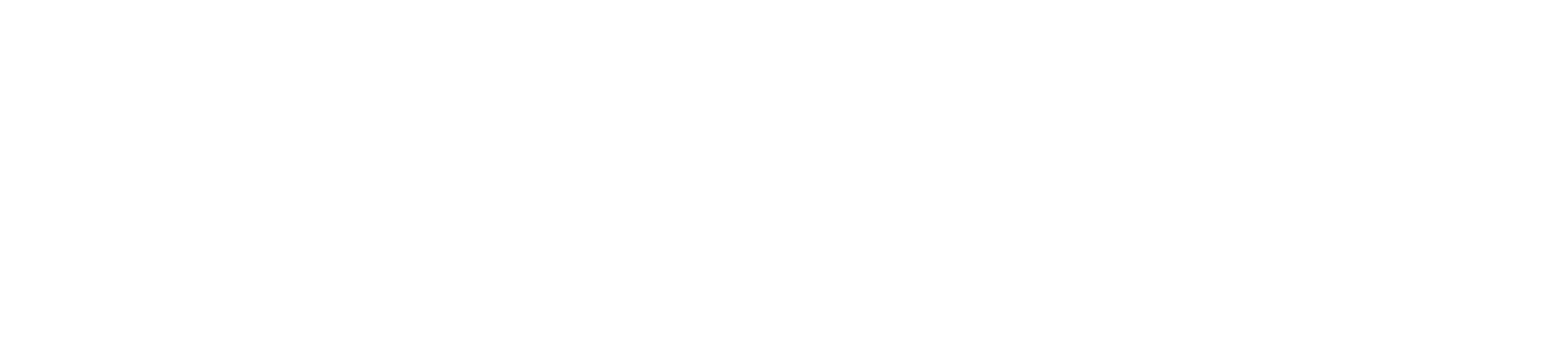

Picture this. An SDR sits down with a sharp list, a strong offer, and a clear quota. They make 100 dials, follow the script, and do everything right. Yet almost nobody picks up, because on the prospect’s screen the call shows as “Spam Likely”.
Those are hours of outbound activity with nothing to show for it. Worse, prospects start to associate the business caller ID with spammy behavior. The team starts to question the data, the script, even the channel. In reality, the problem often begins long before a rep dials. It starts with how carriers and apps judge your phone number reputation and decide whether to label your calls as spam likely calls.
Major carriers such as AT&T, T-Mobile, and Verizon use aggressive analytics to protect people from scams and robocalls. That is good for consumers, but it also means legitimate business calls can get swept up in the same net. For B2B sales leaders, that label can choke connect rates, hurt campaign ROI, and quietly damage brand trust.
At Superhuman Prospecting, we live in the middle of this tension every day. Our team runs high-volume, compliant outbound campaigns for B2B clients, so we see both the technical side of spam filter avoidance and the human side of cold calling best practices. In this guide, you get a clear framework to understand:
Why numbers get flagged as Spam Likely
How to avoid those labels in the first place
How to repair damaged numbers
How to stay on the right side of telemarketing compliance while still driving pipeline
Key Takeaways
Carrier spam systems judge your calls by patterns, not by your intent. High call volume from single numbers, low answer rates, missing caller ID information, and consumer complaints all push your calls toward a Spam Likely label, even when they are legitimate business calls.
Prevention is far easier than cleanup. Registering your numbers, setting up accurate business caller ID, rotating and aging numbers, and following solid cold calling best practices protect your phone number reputation and reduce the risk of spam blocking by carriers.
Compliance and call quality go hand in hand. Respect for Do Not Call rules, clear consent for automated outreach, and human-centered conversations keep complaint rates low. Partnering with a team like Superhuman Prospecting, which builds campaigns around H2H Sales Scripts™ and strict data hygiene, makes it much easier to maintain a clean caller ID reputation at scale.
Understanding “Spam Likely”: Why Your Business Calls Get Flagged
When a prospect’s phone shows Spam Likely, Scam Likely, Fraud Risk, or Potential Spam, that label does not come from the contact. It comes from the recipient’s carrier or a third-party app that has flagged your number as suspicious. These tools watch for patterns that look similar to illegal robocalls and scams, then attach a warning to your caller ID.
The Federal Communications Commission pushes carriers to protect people from billions of bad calls every year. In response, companies such as AT&T, T-Mobile, and Verizon run their own analytics, often powered by partners like Hiya, First Orion, or Nomorobo. Apps like Truecaller layer on top of that. None of these groups check calls manually. They let algorithms decide whether your call appears as a normal number, a warning label, or gets completely blocked.
It helps to separate call labeling from call blocking:
Labeling means the call still reaches the device, but the display warns the user.
Blocking means the call never reaches the phone at all.
Both crush connect rates, but labeling at least gives you a chance if a prospect trusts your brand. Blocking gives you nothing.
Here is a simple way to think about it:
|
Call Status |
What It Means |
Impact On Sales |
|---|---|---|
|
Labeled |
Call reaches the device with a warning such as Spam Likely |
Lower answer rate, some will still pick up |
|
Blocked |
Call is stopped by the carrier or app |
Zero chance to connect or leave voicemail |
False positives are a real risk. A legitimate B2B sales team that runs high-volume outbound without smart controls can look, from the outside, like a spam operation. Once that happens, the Spam Likely label follows, answer rates fall, and every dial becomes less productive. Understanding how the technology behind this label works is the first step to taking back control.
The Technology Behind Spam Detection
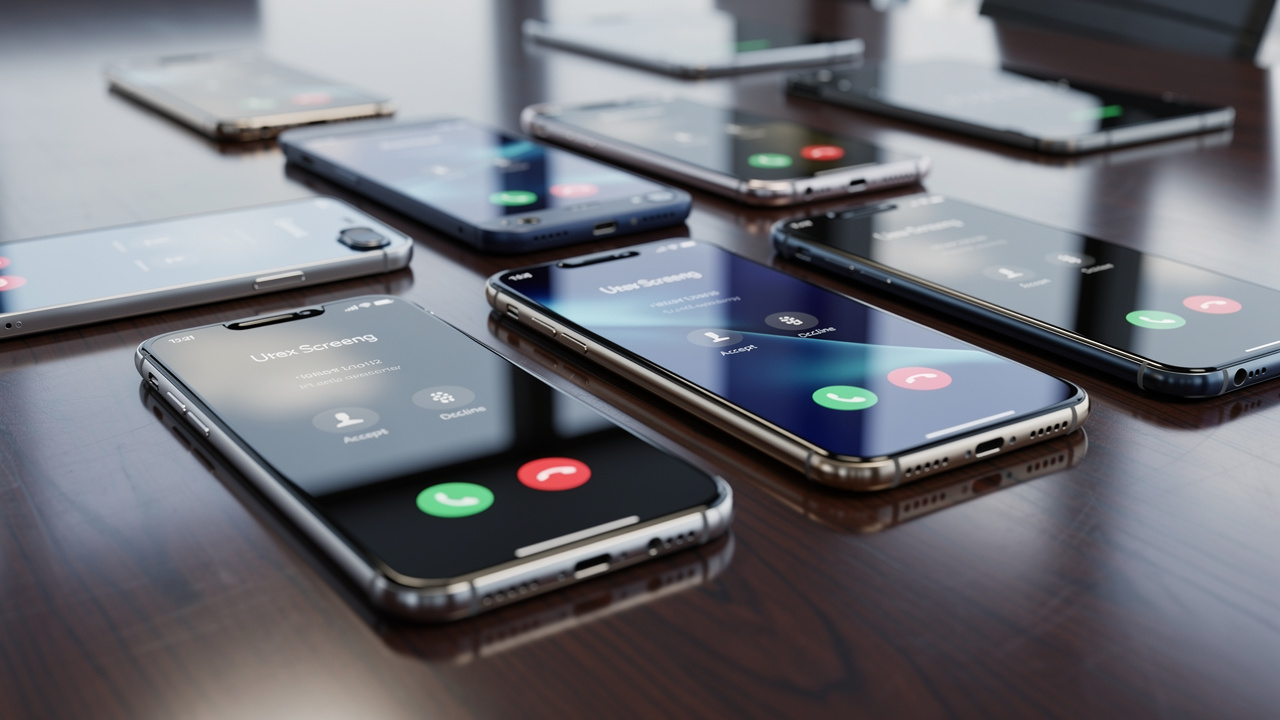
Spam detection tools act like traffic cameras for voice calls, constantly watching patterns on the network. The strongest signal they watch is call pattern analysis. If one phone number pushes out a high volume of short calls in a short window, that pattern looks a lot like a robocaller. Even if your SDRs are real humans, that volume from a single caller ID will hurt phone number reputation.
Consumer feedback is another major input. When people tap Block or Report Spam on their phones, those actions feed data back to carriers and apps. A small cluster of complaints, especially on top of heavy call volume, can move a number into Spam Likely status very quickly.
Carriers also run the STIR/SHAKEN framework, which works like a digital signature for caller ID. It helps verify that the number displayed is the real source of the call, not a spoofed neighbor number. Calls with weak or missing authentication get more scrutiny. At the same time, analytics tools look for signs of neighbor spoofing, where bad actors show numbers with the same area code and prefix as the recipient.
Caller ID name data, known as CNAM, also matters. When a number has no business name attached, or a generic label such as “Wireless Caller,” it looks more suspicious to spam filters than a clear, consistent business caller ID. Add in low answer rates and large spikes in call activity from brand-new numbers, and you get a recipe for aggressive spam filter avoidance problems across multiple carriers.
The Business Impact Of Being Flagged As Spam Likely
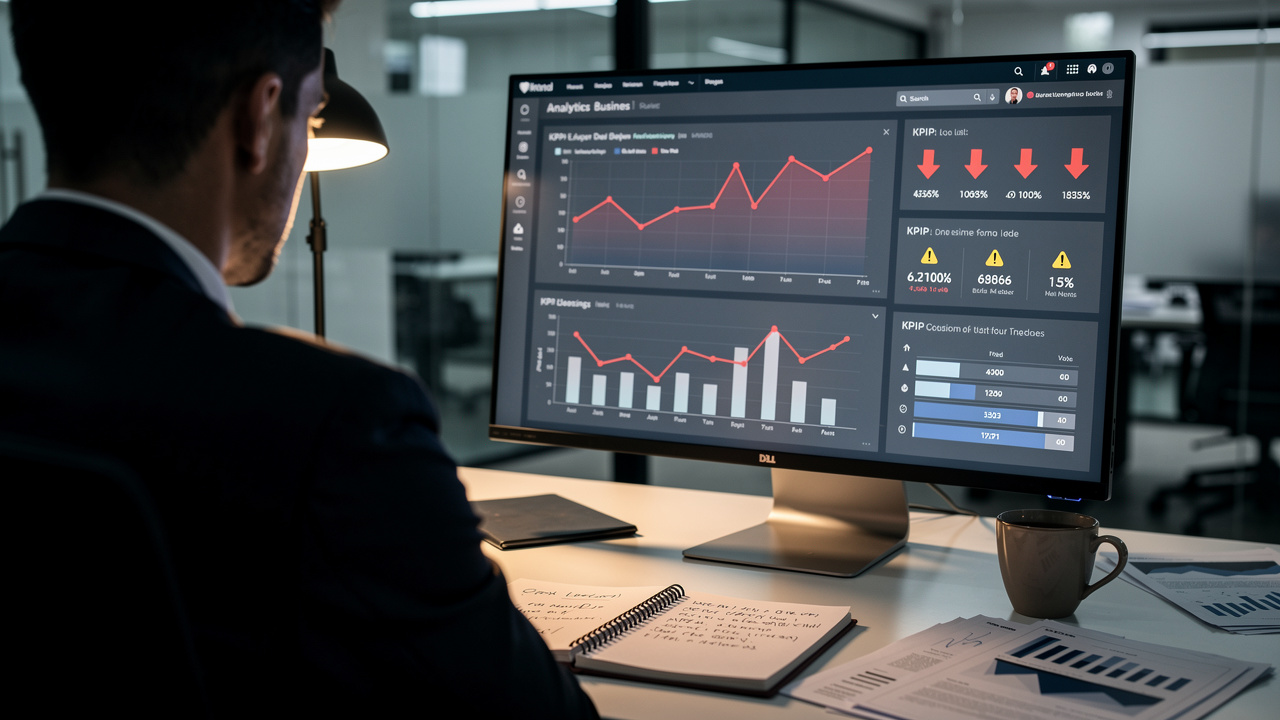
For a B2B team that depends on outbound dials, a Spam Likely label is not just an annoyance. It is a direct hit to revenue. Prospects are already cautious about unknown callers. When their phone adds a warning on top, most people send the call straight to voicemail or block it.
Reduced connect rates multiply through the entire funnel. If a rep normally connects with 8 out of 100 dials, but a spam label drops that to 2, that is 75 percent of potential conversations gone before they start. Appointment-setting targets become harder to reach, pipeline forecasts miss the mark, and CAC numbers start to climb because fewer leads reach the sales team.
The damage is not only about volume. There is also brand perception. When a prospect sees a call tagged as Scam Likely and later realizes that number belongs to your company, trust drops fast. Even people who saw your ads, downloaded your content, or asked for more information may hesitate to pick up next time.
“Trust arrives on foot and leaves on horseback.” — Dutch proverb
At the carrier level, serious flags may move from warnings to blocking. In those cases you may see SIP code 608 with a “Rejected” message on your calling platform. That means the terminating carrier decided your traffic looked risky and stopped it at the network edge. At that point, no amount of SDR skill can fix the issue.
All of this undercuts other investments. Marketing teams pay for data, ads, and events to create demand. If your calls cannot reach those leads, that spend fails. Competitors with clean caller reputations call the same accounts, reach them first, and often win the business. This is why Superhuman Prospecting treats caller reputation as core infrastructure. For one technology client, our team averaged around 4,000 dials per month with a 2.19 percent conversion rate to qualified appointments, sustained over time without widespread Spam Likely issues.
Root Causes: Why Your Numbers Are Being Flagged
If your outbound calls start to show as Spam Likely, the label is almost never random. It usually ties back to one or more patterns in how your team dials. Think of this section as a checklist to diagnose where risk lives in your calling operation.
High call volume from single numbers is one of the biggest triggers. When a single caller ID pushes hundreds of dials per day, day after day, analytics engines map that pattern to robocall behavior. Even if all calls are one-to-one human conversations, that number now carries a suspicious profile.
Incorrect, missing, or generic CNAM sends another bad signal. If your calls show as “Unknown” or “Wireless Caller,” or the name is badly formatted, carriers have less proof that the number belongs to a legitimate business. Clear CNAM within the 15-character limit helps prospects and algorithms see that calls come from a real company instead of a mystery phone.
New or un-aged numbers often create trouble too. If you buy a block of numbers and push them straight into a power dialer at full volume, carriers see “new number with high velocity,” which is a classic spam pattern. New numbers need time with modest, healthy call activity before they join high-volume campaigns.
Neighbor spoofing fallout can affect good actors. If scammers happen to spoof a number that you own, their behavior can damage the reputation for that caller ID, even though your business did nothing wrong. Carriers cannot tell the difference until patterns change and complaints stop.
Low answer rates and high rejection rates signal that people do not want your calls. When most dials end in quick hangups, disconnects, or voicemail without any positive engagement, models learn that your outreach looks unwanted. That raises the odds of a Spam Likely tag.
Accumulated consumer complaints are a strong final push. A handful of people who mark your calls as spam, especially if they also felt pressure or if you ignored opt-out requests, can trigger extra scrutiny from carriers. If you have not registered with carrier databases such as Free Caller Registry or the major carrier portals, you miss a chance to give those systems context about your business. Add non-compliance with calling regulations on top of that, and complaint rates rise even faster.
Superhuman Prospecting reduces these risks by design. Our data team builds lists that match a client’s Ideal Customer Profile, then scrubs those lists against the Federal DNC and litigator databases. Our H2H Sales Script Methodology™ keeps conversations relevant and respectful, which naturally lowers complaints and protects caller ID reputation across campaigns.
Proactive Prevention Strategies: Building And Protecting Caller Reputation
It is far easier to keep your numbers clean than to repair them once they show Spam Likely. Think of prevention as part of your core sales infrastructure, just like your CRM or dialer. The goal is simple: you want carriers and apps to see consistent, healthy behavior from your numbers so legitimate business calls reach prospects.
Register Your Business And Phone Numbers
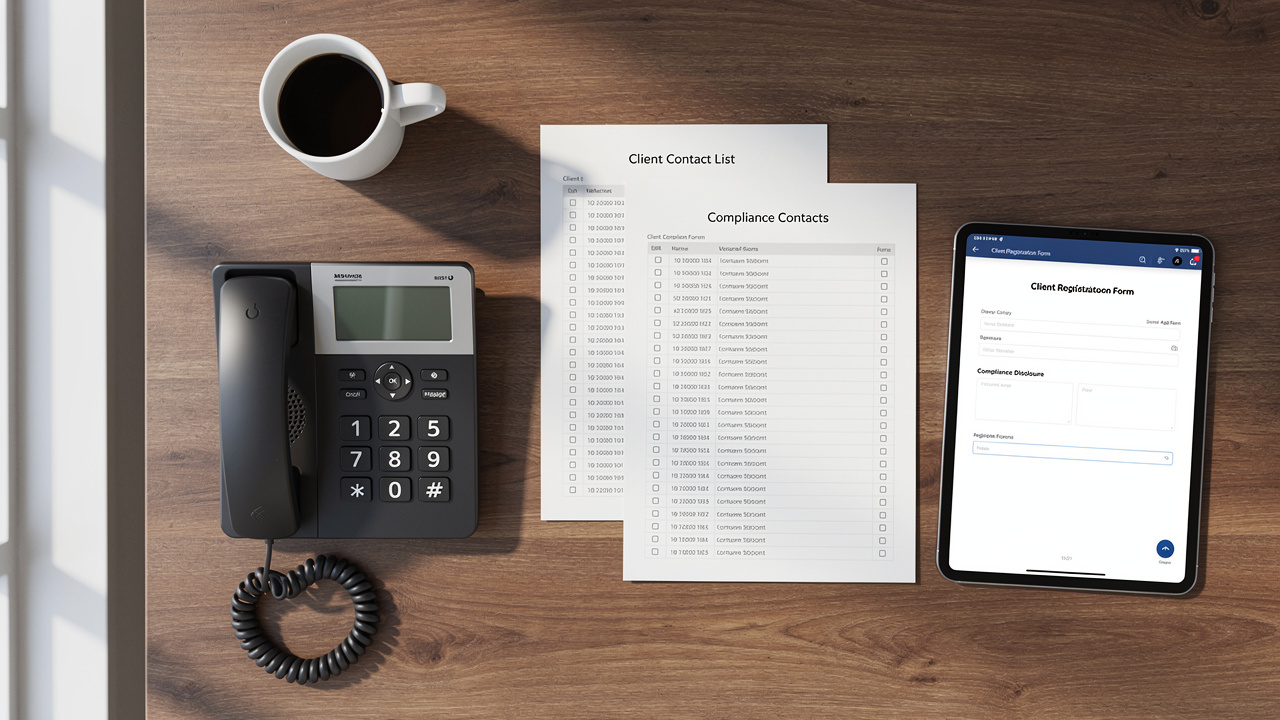
The first line of defense is registration. When you register your company and outbound numbers with major analytics platforms, you give carriers accurate data about who you are and why you call. That context supports spam filter avoidance and can reduce false positives.
Start with the Free Caller Registry site, which shares your information with several large analytics providers that work with top carriers. You submit details such as:
Legal business name and address
Website and contact email
The specific phone numbers you use for outbound prospecting
Your primary call purpose (for example, B2B appointment setting or customer service)
Then add direct registration with carrier portals:
AT&T uses Hiya for spam analysis, so you can use the Hiya Connect portal to manage your entries.
T-Mobile runs a Call Reporting page where businesses can submit data and dispute labels.
Verizon offers a Voice Spam Feedback form that you can use when you see Spam Likely labels or unexplained call blocking.
There are also transparency tools such as Call Transparency and industry feedback forms where you can report mislabeling. Whichever path you take, keep records of submissions and confirmations. That documentation helps with future disputes and shows that your team treats telemarketing compliance as a real priority.
Configure Accurate Caller ID Name (CNAM)
Registration tells carriers who you are. CNAM tells the prospect. CNAM is the short text, up to 15 characters including spaces, that appears next to your number on caller ID. When it clearly matches your brand, the call feels more legitimate to both humans and algorithms.
You cannot set CNAM directly from most phone systems. Instead, contact your voice service provider or VoIP carrier and ask them to configure CNAM for each outbound DID you use in sales. Choose a name that is easy to read and ties back to your business, such as “ACME SALES” or “ACME SUPPORT.” Avoid special symbols or cryptic abbreviations that confuse people or get cut off in the middle.
Once submitted, CNAM updates spread across multiple databases. This process can take anywhere from several days to a few weeks, and rural carriers may lag longer. Not every mobile carrier shows CNAM on all devices, and toll-free numbers do not support it, but a clean and consistent business caller ID wherever possible still helps. It is wise to test from time to time by calling team members on different carriers to see what displays.
Implement Smart Calling Practices
Even with perfect registration and CNAM, daily habits shape your phone number reputation. The way you spread out calls, how you treat new numbers, and how you respond to opt-outs all feed into the picture carriers see.
Put practical habits in place:
Use a number rotation strategy. Instead of pushing all outbound traffic through one or two numbers, create a pool and spread calls across them. Many teams aim for no more than 50 to 75 dials per number per day, though the right threshold depends on your industry and call length. This keeps any one caller ID from looking like a robocaller.
Let new numbers age. For at least a week, limit them to a small number of healthy calls with good talk time, such as follow-ups or warm leads. Then ramp volume up slowly instead of moving straight to high-speed dialing. Superhuman Prospecting follows this pattern, helped by a manual sales dialer that gives fine control over pacing and prevents the sharp spikes that worry analytics tools.
Treat opt-outs carefully. When someone asks not to be called, mark them on an internal DNC list and remove them from future campaigns. Combine that with Federal DNC scrubbing and you reduce the odds of angry complaints.
Finally, focus your SDRs on call quality over raw dials. The H2H Sales Script Methodology™ we use at Superhuman Prospecting aims for real conversations that prospects feel are worth their time, which naturally lowers hangups and supports a healthier phone number reputation.
Remediation Guide: Removing The “Spam Likely” Label From Flagged Numbers
If you discover that one or more of your numbers already show Spam Likely, you need a clear recovery plan. There is no instant reset button, but with steady action you can often repair or at least improve your caller ID reputation.
A practical remediation sequence looks like this:
Immediate quarantine
As soon as a number is confirmed as flagged, pull it from your active dialing rotation. Continuing to blast outbound traffic through that caller ID will only reinforce the negative signal that carriers already see. Set up a simple monitoring routine so you spot problems early. That can include periodic test calls to different carriers, watching for SIP codes such as 608 “Rejected,” and asking reps to report any prospect comments about spam labels.Registration and re-registration
Even if your organization registered before, submit fresh entries for each flagged number through the Free Caller Registry and the major carrier portals. In your forms, provide full business details, explain your call purpose, and clearly state that you are experiencing incorrect spam tagging on legitimate business calls. For carriers beyond the big three, the US Telecom Industry Traceback Group maintains a contact list for call labeling and blocking teams, which you can use to route your requests.Verify CNAM and display
Alongside registration, verify CNAM for the affected numbers. Make test calls and see what shows on screen. If the name field is empty, generic, clipped in a confusing way, or does not match your brand, contact your carrier to correct it. Use the same, clean format you selected for your other outbound numbers so the business caller ID looks consistent.Cooling down period
Once you have registered, filed feedback, and fixed CNAM, let that number rest from heavy prospecting. Some teams stop outbound from that line entirely and use it only for inbound or return calls. Others allow a small number of warm follow-ups with long talk times. Either way, avoid high-velocity campaigns for at least several weeks. During that time, keep testing how the caller ID behaves on different networks.Slow reintroduction or retirement
When the Spam Likely label stops appearing and test calls look normal, reintroduce the number slowly. Treat it as you would a new caller ID you want to age. Start with low volume, monitor answer rates and reports carefully, and increase only if metrics stay healthy. If, after thirty to forty-five days of good behavior and repeated attempts with carrier portals, a number still carries a heavy stigma, it may be better to retire it and start fresh with better habits from day one.
Legal Compliance: FCC Regulations And Telemarketing Rules
Good caller reputation is not only a technical issue. It is also deeply tied to compliance. When companies ignore consent rules or time-of-day limits, they generate more complaints, and those complaints feed the same systems that mark calls as Spam Likely. For B2B sales leaders, understanding the main rules also protects the business from serious fines.
Superhuman Prospecting builds compliance checks into every campaign by default. Lists go through Federal DNC scrubbing, litigator list checks, and internal suppression processes before an SDR picks up the phone. That approach reduces legal risk and helps keep outbound outreach seen as legitimate business calls rather than nuisance traffic.
“Compliance is not a cost. It is an investment in reputation.” — Anonymous
The Telephone Consumer Protection Act (TCPA)
The TCPA is the main federal law that governs many types of telemarketing activity. One of its best known rules is the requirement for prior express written consent before you use an autodialer, prerecorded voice, or AI-generated voice for sales calls to wireless numbers. An existing business relationship is not enough for that kind of automated outreach.
The law also limits when you can call. Sales calls to residential lines are not allowed before 8 a.m. or after 9 p.m. in the recipient’s time zone. Even with manually dialed calls, you must identify your business clearly at the start of the conversation and provide a callback number. You also need an effective opt-out path and you must honor any request to stop calls.
TCPA violations can be very expensive because fines stack on a per-call basis. For a large outbound team, that exposure adds up fast. This is why many companies treat TCPA compliance as a core part of sales operations, not just a legal topic for an annual training session.
National Do Not Call (DNC) Registry
The National DNC Registry gives people a simple way to opt out of telemarketing. Once a number is on that list, covered businesses must avoid calling it for sales purposes. Telemarketers are expected to scrub their call lists against the registry and remove registered numbers within thirty-one days.
B2B calls often have more flexibility, but many prospects use a single cell phone for both work and personal use. That phone can still appear on the registry, which pulls your outreach into DNC rules. The safest route is to:
Scrub all lists against the national registry
Maintain your own internal DNC file for anyone who asks to be removed
Train SDRs to respect opt-out language on every call
Superhuman Prospecting treats this as standard practice. Every prospecting list passes through DNC and litigator scrubs before it goes to our SDR team. That extra step supports telemarketing compliance and lowers the odds that your numbers get reported and flagged as Spam Likely.
The Truth In Caller ID Act
This law bans the use of misleading caller ID information when there is intent to defraud, cause harm, or wrongfully gain something of value. In other words, if a business deliberately falsifies caller ID to trick people, it is on the wrong side of this act and faces large penalties. The law targets bad actors who spoof caller ID for scams, not legitimate companies that manage their caller ID within proper guidelines.
Legitimate Caller ID Management Vs. Illegal Spoofing
Many sales leaders worry that adjusting caller ID might be illegal, so they avoid any change at all. In reality, there is a clear line between illegal caller ID spoofing tactics and reasonable caller ID management for business.
Illegal caller ID spoofing happens when someone purposely shows a false number with bad intent. A common method is neighbor spoofing, where scammers display a number that looks local to the recipient in order to gain trust. Their goal might be to steal money, trick people into sharing sensitive data, or carry out some other harmful act. Spam detection systems were built with these patterns in mind.
Legitimate caller ID management looks different. A company with many reps may want all outbound calls to show a main toll-free number so prospects know where to call back. A doctor may call a patient from a personal mobile line while showing the office number to protect private contact information. In these cases, the number displayed still belongs to the organization involved and leads back to a real business.
The key difference is intent. If your aim is to help prospects recognize who you are and reach you easily, and the number shown is under your control, you are on solid ground. Best practice is to avoid using random local numbers that exist only to trick people into answering. Instead, choose caller ID numbers that match the story you tell in the call and the brand you represent. That approach supports both compliance and caller ID reputation.
How Superhuman Prospecting Protects Your Caller Reputation

Everything in this guide takes time and attention. Many B2B teams want the benefits of outbound without building a full SDR department plus a telephony program on top. Superhuman Prospecting exists for that exact reason. When clients work with our team, caller reputation protection is baked into the way we operate, not treated as an add-on.
We start with high data quality. Our team builds prospect lists based on the client’s Ideal Customer Profile, then manually checks those records. We run data cleansing and enrichment so phone numbers are current, which cuts down on wrong numbers that often lead to quick hangups. Every list goes through Federal DNC and litigator scrubs before a campaign goes live, which directly reduces complaint risk and supports spam blocking prevention.
Next comes the H2H Sales Script Methodology™. Instead of aggressive, one-size-fits-all messaging, our scripts aim for human conversations that respect the prospect’s time. US-based SDRs, with an average tenure of about one and a half years, deliver those scripts in a clear, professional way. Prospects feel like they are in a real business discussion, not stuck in a robocall pattern, which means they are far less likely to report calls as spam.
On the operational side, we use a manual sales dialer that gives precise control over call pace and distribution. This makes it easier to rotate numbers, age new lines, and avoid the volume spikes that carrier analytics treat as red flags. We also handle registration and CNAM setup on behalf of clients as part of campaign launch, and we monitor for signs of Spam Likely tags so we can act early.
The results reflect this approach:
For a technology software client, our team ran a program with roughly four thousand dials per month and a 2.19 percent conversion rate into sales appointments, over a sustained period, without mass spam labeling.
For an online marketing agency focused on automotive repair shops, we delivered more than two hundred appointments and three hundred leads over two years. Their testimonial highlights our systems, follow-up, reporting, and customer service, all of which depend on reliable, trusted outbound calls.
“People don’t care how much you know until they know how much you care.” — Theodore Roosevelt
That mindset sits at the center of how we run outbound programs for clients.
Conclusion
Caller ID reputation is now as important to outbound success as a strong script or a clean list. When carriers or apps mark your calls as Spam Likely, your team loses the chance to even introduce your offer. Connect rates drop, pipeline slows, and brand trust takes quiet but serious damage.
The good news is that you can control much of this risk. Register your numbers, set accurate CNAM, rotate and age caller IDs, and stick to cold calling best practices that respect prospects and the law. If numbers do get flagged, a steady remediation plan can often bring them back. Most of all, treat telemarketing compliance and caller reputation as part of your sales strategy, not an afterthought.
For many organizations, the easiest path is to work with a partner that already lives these practices every day. Superhuman Prospecting combines high-quality data, human-centered scripts, US-based SDRs, and disciplined calling methods to protect caller reputation while driving real appointments. As spam filters grow stricter, the B2B teams that win will be the ones that pair technical best practices with conversations prospects actually want to have.
FAQs
Question 1: How Do I Know If My Phone Numbers Are Being Flagged As Spam?
The fastest way is to test your own numbers. Call team members or colleagues who use different carriers such as AT&T, Verizon, and T-Mobile and ask them to share exactly what appears on their screens. If they see a Spam Likely or similar warning, that caller ID has a problem. You can also watch for drops in answer rate, SIP errors such as 608 “Rejected,” and direct feedback from prospects who say your call showed as spam. Some reputation services and the Free Caller Registry site can also help you check for signs of trouble.
Question 2: How Long Does It Take To Remove A Spam Likely Label Once It’s Been Applied?
There is no fixed clock for removal. After you submit registration forms, correct CNAM, and reduce call volume from the flagged number, it often takes several days to a few weeks for analytics systems to update. During this period, you may still see Spam Likely labels while the number gains a better pattern of use. Very damaged numbers sometimes never fully recover and are better retired, which is why prevention is so important.
Question 3: Can I Still Make Outbound Sales Calls If I’m On The National Do Not Call Registry As A Business?
The National DNC Registry focuses on protecting consumers from unwanted telemarketing. Many pure B2B calls fall outside its core rules, but there are gray areas, especially when prospects use the same mobile number for work and personal life. That mobile phone can still appear on the registry and create legal risk if called for sales. Best practice is to scrub all outbound lists against the registry, treat registered numbers as off-limits for sales outreach, and maintain an internal DNC list for opt-out requests. Superhuman Prospecting follows this approach for every campaign.
Question 4: Is Using A Different Caller ID Number Than The One I’m Calling From Illegal?
It can be legal when done for the right reasons. Many companies show a central office or toll-free number on outbound calls so prospects recognize the brand and have a clear callback path. That is different from deceptive spoofing. It becomes illegal when a caller displays a number with the intent to trick or defraud people, such as fake local numbers used for scams. The Truth in Caller ID Act focuses on that harmful intent. If the number you display belongs to your business and helps contacts reach you, it generally falls within accepted practice.
Question 5: Will STIR/SHAKEN Authentication Prevent My Calls From Being Flagged As Spam?
STIR/SHAKEN helps carriers confirm that the caller ID shown on a call is genuine, which reduces spoofing and can aid deliverability. However, it does not shield you from Spam Likely tags on its own. Carriers still look at call patterns, answer rates, complaint history, CNAM data, and other signals when they decide whether to label or block traffic. Think of STIR/SHAKEN as one important building block in spam filter avoidance, but not a full shield against poor calling behavior.
Question 6: How Many Phone Numbers Should I Rotate For Outbound Calling Campaigns?
The right number depends on your daily dial volume and call length. A common guideline is to keep each caller ID at roughly 50 to 75 dials per day or less. For a team that makes 200 calls in a day, that often means rotating across at least three or four numbers. Larger campaigns may use pools of ten or more. New numbers should start at lower volume while they age. Superhuman Prospecting uses a manual sales dialer and rotation plans to spread volume safely across caller IDs.
Question 7: What Should I Do If A Prospect Tells Me My Call Showed Up As Spam Likely?
Treat that comment as a helpful early warning. Thank the person for taking the call anyway, explain briefly that some legitimate business calls are mislabeled, and reassure them that your company is working with carriers to fix the issue. After the conversation, flag the specific caller ID in your system and start the remediation steps from this guide. Note which carrier the prospect uses so you can focus your spam blocking requests with the right provider.