
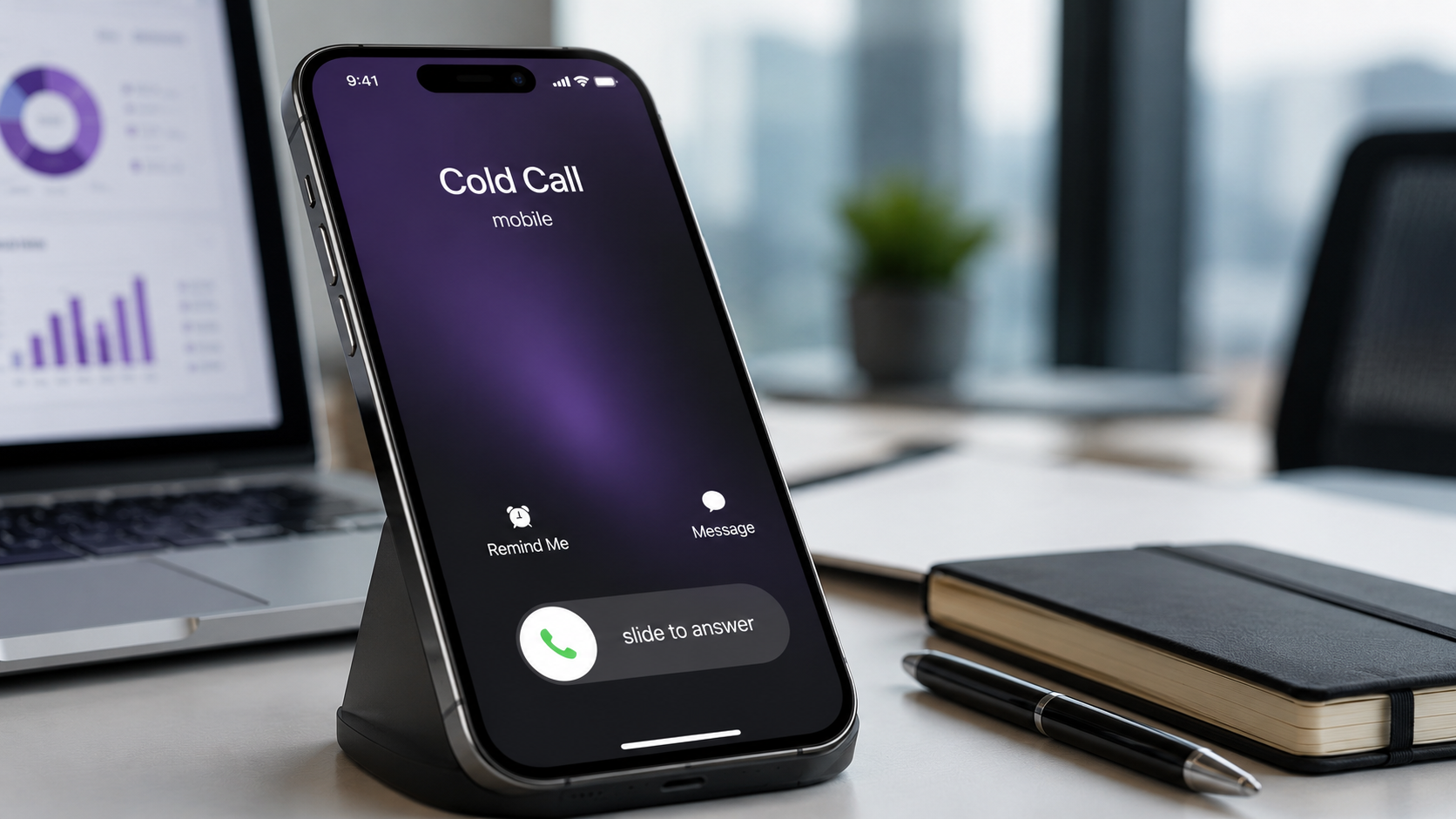
There has been a lot of concern in the sales world about iOS26 and what it could mean for reaching prospects on mobile numbers. For B2B sales leaders, the worry is understandable. If mobile numbers become harder to reach or less reliable, does that put outbound appointment setting at risk? Based on Superhuman Prospecting’s calling activity from August 2025 to present, the answer is no. Across 100+ clients, a USA-based calling team, and roughly 3,500 manual dials per day, the data shows that mobile numbers are only one part of the story. In fact, 20% of appointments come from mobile numbers, with 11.6% specifically coming from iOS. That matters, but it also proves a larger point: mobile-only outreach is not the strongest strategy.
Business Lines Are Still Driving Real Appointment Volume
One of the biggest misconceptions in outbound sales is that mobile numbers are automatically the best path to a prospect. While mobile numbers can be valuable, company lines and direct business lines are still producing meaningful results.
The data makes that clear. In the wireless vs. non-wireless report, non-wireless numbers generated 325 appointments compared to 116 from wireless numbers. That means non-wireless lines accounted for the majority of appointments generated during the reporting period. The same pattern shows up in lead generation as well, where non-wireless numbers produced 690 leads compared to 180 from wireless numbers.
This does not mean mobile numbers should be ignored. It simply means business lines are far from dead. Decision-makers still answer office lines, direct lines, department lines, and company numbers when the timing, targeting, and message are relevant. For B2B sales teams, that should be encouraging. The opportunity is not limited to one phone number type.
Mobile Outreach Has Value, But It Should Not Carry the Whole Strategy
Mobile numbers can help SDRs reach prospects directly, especially in industries where buyers are often away from their desks or working in hybrid environments. That access is useful. However, the concern around iOS26 is a reminder that relying too heavily on one channel creates unnecessary risk.
If a sales team builds its entire outbound strategy around mobile numbers, any change in mobile behavior, device settings, call labeling, or operating system updates can create a disruption. That is not a strong position for a pipeline-driven organization.
A better approach is to treat mobile as part of a larger contact strategy. SHP’s data shows that 20% of appointments come from mobile numbers, with 11.6% tied specifically to iOS. Those numbers are important enough to keep mobile in the mix, but they are not large enough to justify a mobile-only strategy.
The practical takeaway is simple: mobile numbers are useful, but they should not be the foundation of the entire appointment-setting model.

Diversified Dialing Gives Sales Teams More Stability
The strongest outbound programs are not built around a single contact method. They are built around reach, consistency, testing, and adaptability. A diversified dialing strategy gives SDR teams more ways to connect with the right prospects and reduces dependence on any one data source.
That matters because buyer behavior is not the same across every industry or role. A VP of Operations at a manufacturing company may be more reachable through a direct office line. A founder of a smaller company may be easier to reach by mobile. A department leader may still be accessible through a company main line if the caller knows how to navigate the conversation professionally.
A diversified strategy helps teams:
- Reach more prospects across more contact paths
- Reduce risk from mobile-specific changes like iOS26 concerns
- Get more value out of prospecting lists
- Compare performance by number type
- Build a more resilient appointment-setting process
For sales and marketing leaders, this is the real strategic advantage. Instead of reacting to every technology change with panic, teams can look at the data, adjust the mix, and continue building pipeline.
Execution Still Matters More Than the Number Type
It is easy to focus on the phone number itself, but the number type is only one part of the equation. A mobile number does not guarantee a good conversation. A business line does not prevent one. What matters most is the quality of the list, the relevance of the message, and the caller’s ability to create trust quickly.
That is where manual dialing and human execution still make a major difference. With approximately 3,500 manual dials per day across 100+ clients, SHP’s data reflects real conversations across a wide range of B2B markets. The results point to a clear conclusion: appointment setting still works when teams combine strong targeting, thoughtful messaging, and a balanced dialing strategy.
The future of outbound is not mobile-only. It is smarter, more diversified, and more disciplined.
Conclusion: Do Not Let Mobile Anxiety Shape the Whole Strategy
The conversation around iOS26 is important, but it should not cause B2B leaders to overcorrect. Mobile numbers still have a place in outbound sales, but they are not the only path to qualified appointments. Company lines and direct business lines continue to perform, and in many cases, they are driving the majority of appointment volume. For executives, the right move is to build a dialing strategy that can withstand change. That means using mobile, direct business lines, and company numbers together, then measuring performance by channel and adjusting based on real results. The teams that win will not be the ones chasing a mobile-only playbook. They will be the ones building a more balanced, data-driven outbound engine.