

Introduction
Every sales leader knows the moment when inbound slows and the calendar looks thin. Ads cost more, email reply rates fall, and revenue targets keep climbing. That’s when the question usually hits the whiteboard: is it time to hire a cold caller and take tighter control of pipeline?
“You don’t have to be great to start, but you have to start to be great.” — Zig Ziglar
Cold calling isn’t dead; it has just changed. The best callers in 2026 sound less like telemarketers and more like helpful guides who open real conversations. Deciding to hire a cold caller—whether in-house, freelance, or through an outsourced team—can be one of the highest‑impact moves a sales leader or founder makes.
Superhuman Prospecting has run outbound programs for more than 1,200 companies, with deep experience in B2B SaaS and technology. Drawing on that front‑line work, this guide explains what to look for, which hiring model fits different stages, and where to start. By the end, you will have a clear framework to move from “We should do more outbound” to a concrete plan and next step.
Key Takeaways
Top callers do far more than read from a page. They mix resilience, active listening, and comfort with CRM and dialer tools. When you hire a cold caller with that mix, ramp time and risk drop sharply. They handle hard calls without burning out and pass only real opportunities to your team.
The way someone is brought on matters as much as who they are. In-house hires offer control but require budget and management, freelancers offer flexibility but need oversight, and outsourced cold calling services provide a complete team and process with far less internal lift. Picking the right lane keeps expectations and results in sync.
Cold calling in 2026 works best when it feels human and is guided by data. Campaigns that combine phone, email, and LinkedIn, backed by clear reporting and frequent feedback, create steady pipeline instead of random spikes. Partnering with a group like Superhuman Prospecting means many of those pieces are already in place.
What Makes A Top Cold Caller And Key Characteristics To Screen For

It can be tempting to hire a cold caller who just sounds friendly on the phone and hope for the best. In practice, the characteristics of a top caller go much deeper than a nice voice or a “people person” label. The strongest reps blend emotional resilience, clear communication, and comfort with sales technology.
On the soft‑skill side, the person who thrives on the phone stays steady under pressure and stays curious about the prospect. They ask thoughtful questions, listen closely, and adjust in real time instead of plowing through a script. If the goal is to reduce risk when hiring cold callers, these human traits matter even more than years of experience.
Some core traits to screen for during interviews and test calls include:
Resilience And Tenacity show up when the caller handles long streaks of voicemail and rejection but still sounds fresh on the next live conversation. This person does not crumble after a tough objection and can move from “no” to the next dial without dragging their mood along. Over weeks and months, that steady drive is what keeps the pipeline moving.
Persuasive, Human‑Centered Communication means the caller sounds like a real person, not a reading machine. They build quick rapport, pick up on tone, and mirror how the prospect speaks. They know when to push for next steps and when to slow down so the prospect feels heard, which matches the H2H approach Superhuman Prospecting trains on.
A Problem‑Solving Mindset helps the caller move beyond product pitches. Instead of listing features, they listen for pain points and connect the company’s offering to very specific problems. That shift from “Let me tell you about us” to “Let’s talk about what you need” separates average callers from trusted partners.
Coachability shows when someone welcomes feedback instead of defending old habits. Top callers listen to call reviews, try new talk tracks, and adjust to different markets. For teams that hire a cold caller into a changing environment, this flexibility keeps performance moving in the right direction.
Time Management And Discipline allow callers to handle 80 to 120 dials per day without sloppy notes or missed follow‑ups. They block their time, keep the CRM clean, and treat every lead with the same care at 9 a.m. and 4:45 p.m.
Modern callers also need to be comfortable with common tools. A quick way to screen is to ask which platforms they have used and how they organized their day with them.
| Tool Type | Common Examples |
|---|---|
| CRM Platforms | Salesforce, HubSpot, Zoho, Pipedrive |
| Dialing Tools | Mojo, Aircall, CallTools |
| Prospecting Tools | Apollo, ZoomInfo, LinkedIn Sales Navigator |
Industry experience can be a big plus as well. Calling into B2B SaaS, for example, means handling longer sales cycles, multiple stakeholders, and technical language. Once the must‑have traits are clear, the next question is how to bring this talent into the team in a way that fits budget and bandwidth.
Hiring Models Compared For In-House Freelance Or Outsourced Agency

After deciding to hire a cold caller, the next choice is how to structure the hire. This decision shapes cost, speed, and how much time leaders spend managing day‑to‑day activity. Broadly, there are three paths: in‑house employees, freelance callers, and outsourced cold calling services.
An in‑house SDR or employee gives the highest level of control. This person lives inside the company culture, joins sales meetings, and focuses only on one brand. The upside is deep product knowledge and tight alignment with the team. The tradeoff is cost, since salary, benefits, taxes, software, and equipment all stack up. There is also a real ramp period, often three to six months before full productivity shows up on the calendar.
In‑house callers tend to work best for companies with established sales operations, a manager who can coach daily, and clear career paths to keep reps from leaving just as they become effective.
A freelance cold caller sits on the other end of the spectrum. Platforms such as Upwork and Fiverr make it easy to post a listing, review profiles, and invite candidates. Rates range from about ten dollars per hour at the low end to more than fifty dollars per hour for advanced B2B callers, with international options around twelve dollars. This makes it appealing for teams that want to test outbound without a full headcount.
The tradeoff is the amount of management needed. With a freelance cold caller, the company must supply lists, scripts, a dialer, CRM access, and clear daily targets. Quality can vary widely, so strong vetting and a paid trial are essential. This path works best for teams that already have solid processes and simply need another set of hands.
Specialized outsourced cold calling services, like Superhuman Prospecting, sit between those two options. An agency model provides a trained team of US‑based SDRs, a campaign strategist, scripts built around the H2H Sales Method, quality control, and reporting. Instead of needing to hire a cold caller, train them, and hope they stay, leaders plug into a system that is already running.
Costs are usually structured as a monthly program priced by call volume, from a few hundred dials for a pilot up to thousands of dials per month. Since callers are direct employees of the agency, performance management, coaching, and replacement are handled for the client. This approach fits B2B companies, SaaS teams, and revenue leaders who want predictable pipeline without building an internal SDR department from scratch.
A quick side‑by‑side view can help:
| Factor | In-House | Freelancer | Agency Such As Superhuman Prospecting |
|---|---|---|---|
| Direct Cost | Highest | Lowest | Mid To High, All Inclusive |
| Ramp Time | Three To Six Months | Varies | Near Immediate |
| Management Load | High | High | Low |
| Quality Consistency | High If Retention Is Strong | Very Variable | High With QC Team |
| Scalability | Limited By Hiring Speed | Moderate | High |
Where To Find Cold Callers And What It Will Cost
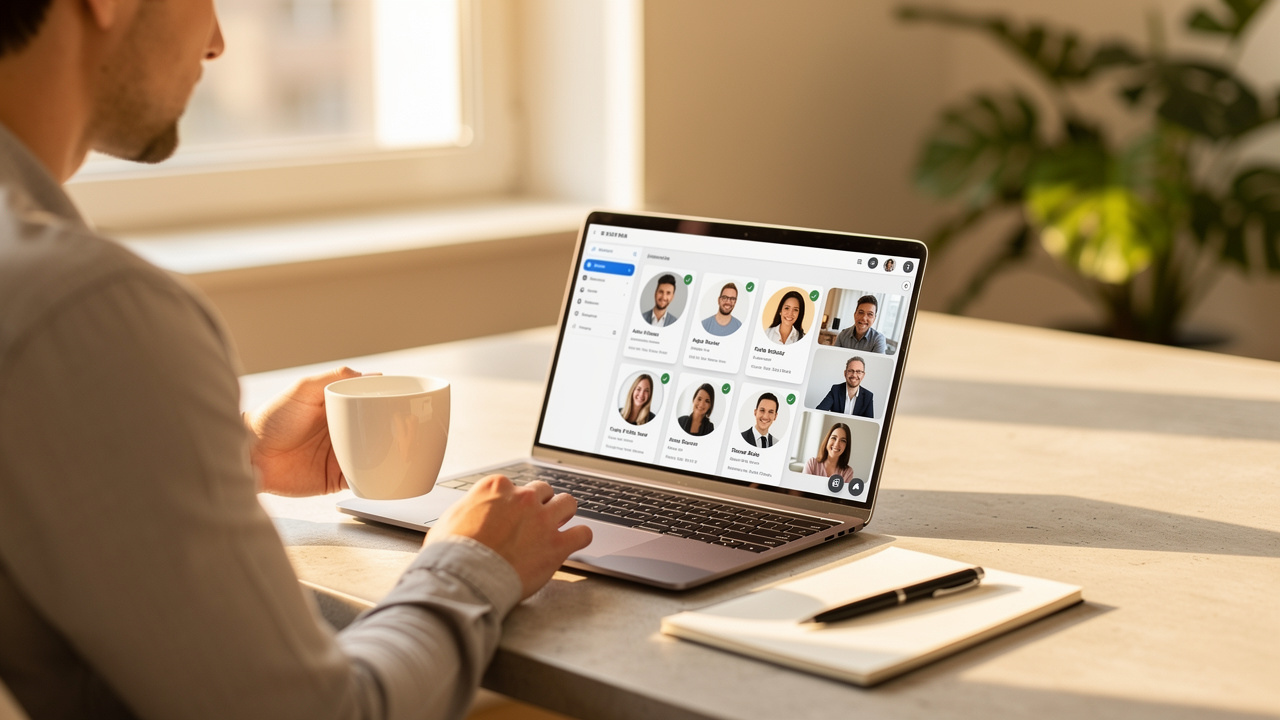
Once the right hiring model is clear, the next move is deciding where to look and how much to budget. The best place to start depends on whether the plan is to hire a cold caller directly or plug into an outside team.
For freelance callers, job platforms are the fastest path. Upwork offers detailed profiles, work histories, and reviews that help narrow the field. A company can filter by B2B experience, industry focus, and hourly rate, then invite a short list to interview.
Upwork works well for teams that want strong filters and a large pool. It lets hiring managers review call recordings, test projects, and written proposals before they hire a cold caller. Clear job posts and structured screening questions keep the process tight and help avoid mismatched expectations.
Fiverr is better for short, clearly defined projects. Many sellers package a set number of calls or hours so buyers know exactly what they get. This can work for small tests or one‑off campaigns where leaders want to see if calling into a new segment is worth scaling.
OnlineJobs.ph focuses on talent in the Philippines, where many professionals already call into US markets. Rates trend lower, which can stretch budgets, but it is important to listen for accent fit and comfort with American business culture before bringing someone on.
Tip: Ask candidates for a short sample recording or live mock call. Hearing how they open, handle objections, and close for next steps reveals far more than a resume alone.
When the plan is to work with outsourced cold calling services, search terms like “B2B cold calling services” or “outsourced SDR” bring up a list of agencies. Superhuman Prospecting stands out with fully US‑based SDRs, the H2H Sales Method, and experience across more than 1,200 clients. For Outreach Local, a digital marketing firm, the team delivered more than 200 appointments and 300 leads over two years, driven mainly by cold calls.
For in‑house hires, sales‑focused recruiters, LinkedIn Recruiter, and niche job boards remain the main channels. Clear role definitions and a strong interview process matter more than volume when the company plans to keep this person long term instead of trying to hire a cold caller just to fill a seat.
Pricing follows clear patterns. Entry‑level freelancers often charge around ten dollars per hour, intermediate callers charge from eighteen to twenty‑five dollars, and top experts can charge fifty dollars or more. International callers hover near twelve dollars per hour. Agency retainers are monthly and depend on dial volume, but they package the caller, strategist, technology, and reporting into one predictable line item.
How To Set Up Your Cold Calling Campaign For Success

Many guides explain how to hire a cold caller but skip what happens after the contract is signed. In reality, finding the right person is only a fifth of the work. The campaign structure around that caller decides whether the effort produces real opportunities or just more activity reports.
A simple five‑phase framework keeps things clear:
Strategy And Ideal Customer Profile Definition comes first. This means writing down the exact companies and contacts that matter, building a clean, accurate list, and spelling out the value the offer brings to them. Before a single dial, smart teams ask whether the product fits the market, whether the data is clean, whether the message is sharp, and whether the caller matches the audience.
Scripting And Methodology form the caller’s playbook. Rather than rigid paragraphs, strong programs give callers flexible talk tracks and openers. The script guides the call while leaving room for real conversation. Superhuman Prospecting’s H2H approach, for example, trains callers on how to engage with prospects on a human to human level before proposing any next step.
Execution And Multi‑Channel Outreach cover the daily grind. The caller follows a steady cadence with multiple touches per contact, mixing phone calls, cold emails, and LinkedIn messages. The goal is not a single perfect call, but a rhythm of polite, persistent contact that feels respectful instead of pushy.
Quality Control And Reporting protect the sales team’s time. A good program reviews call recordings, checks that every meeting meets clear qualification rules, and tracks key numbers on a dashboard. Dials, connects, meetings set, and meetings held are visible, so leaders know exactly what their decision to hire a cold caller or partner with an agency is producing.
“What gets measured gets managed.” — Peter Drucker
Feedback And Optimization keep the campaign from going stale. Weekly or bi‑weekly reviews look at which lists, openers, and offers convert best. This feedback loops back into the script and targeting, while callers receive coaching on real calls. Over time, that steady tuning raises conversion rates without raising dial counts.
When companies work with an outsourced team like Superhuman Prospecting, these five phases are already part of the engagement. That removes the need to design a program from scratch and lets internal teams focus on running demos and closing deals.
Conclusion

Deciding to hire a cold caller in 2026 can feel like a big step, but it becomes much clearer when broken into three choices. First, define the characteristics of a top cold caller so interviews and test calls focus on the traits that predict success. Second, choose the right hiring model, whether in‑house, freelance, or through outsourced cold calling services that provide a full team and process.
Third, map out where to find that talent and how the campaign itself will run day to day. Modern cold calling works best when it is human‑centered, guided by data, and tied into a broader outbound plan. For B2B companies, SaaS startups, and revenue leaders who want steady pipeline without building a full SDR team, Superhuman Prospecting offers a proven path. The next step is simple: start a discovery call, share goals, and see what the first campaign could deliver.
FAQs
How much does it cost to hire a cold caller in 2026?
Costs vary based on experience and hiring model. Entry‑level freelancers often start near ten dollars per hour, while intermediate callers charge between eighteen and twenty‑five dollars. Top experts can charge fifty dollars or more, and international talent is often around twelve dollars. Outsourced agencies charge a monthly fee based on dial volume, which usually includes the caller, strategist, tech stack, and quality checks. When leaders compare this to the full load of an internal hire, many find agencies and seasoned freelancers give better return, especially before an SDR team exists.
What is the difference between a freelance cold caller and an outsourced cold calling agency?
A freelance cold caller is an independent contractor, usually found on platforms like Upwork or Fiverr. This option can cost less and offers flexibility, but the company has to handle training, scripts, tools, and performance management. An outsourced cold calling agency such as Superhuman Prospecting brings trained US‑based SDRs, tested scripts, clear strategy, quality control, and transparent reporting. In effect, a leader does not just hire a cold caller; they plug into a complete outbound system with coaching and oversight already in place.
Is cold calling still effective in 2026?
Cold calling remains effective, especially for B2B, SaaS, and higher‑ticket services where buyers expect direct contact — a point backed by Cold Calling Statistics: Driving success research that highlights consistent conversion opportunities in direct outreach. The style has changed, though. Winning programs now focus on human‑to‑human conversations supported by good data, rather than generic scripts and brute‑force volume. When companies hire a cold caller or partner with a specialized agency that follows a thoughtful, multi‑channel process, cold outreach can provide a reliable, controllable source of meetings and pipeline alongside inbound and referral channels.