

Introduction
If you are building a sales pipeline from scratch without a sales team, start by defining your ideal customer, mapping five simple stages, and blocking time every day for outbound outreach. That basic structure is how a startup founder turns random deals into something steady.
Sales pipeline generation means guiding prospects from first touch to signed agreement through a clear process. Without that process, revenue leans on random referrals and the occasional inbound lead, and that is when cash flow starts to feel shaky.
This guide walks through pipeline stages, a repeatable B2B pipeline strategy, outbound prospecting, key metrics, and common founder roadblocks. Along the way, it shows where human conversations and partners such as Superhuman Prospecting fit into the picture.
Keep reading if you want to trade a vague hope for more deals for a steady sales engine that you can adjust and grow on purpose.
Key Takeaways
Sales pipeline generation goes far beyond basic lead capture and newsletter signups. It covers every step from first conversation through qualification, proposal, and close. Lead generation is only one early piece of that larger system.
Pipeline Vs. Lead Generation. Sales pipeline generation focuses on moving prospects through stages, while lead generation only starts contacts. When founders mix the two up, they celebrate email signups that never become deals. Real growth comes when every stage has clear actions and measurable progress.
Quality Beats Volume. Ten well-qualified opportunities can produce more revenue than fifty weak ones. Founders who protect their calendars from low-intent meetings close more business and feel less burned out.
Human Conversation Matters. Strong B2B pipelines still rely on real conversations. Prospects rarely trust cold automation alone; warm, curious phone calls and thoughtful emails reveal real pain that generic templates miss.
You Can Start Without A Sales Team. Founders can build a working pipeline without hiring an internal SDR team. A clear process, a basic CRM, and either founder-led outreach or a partner such as Superhuman Prospecting are enough to get going. Structure matters more than headcount at the beginning.
Consistency Compounds. Consistent outbound prospecting stacks up over time into booked meetings, active deals, and reliable forecasts. That steady rhythm protects against the feast-or-famine cycles many young companies feel.
What Is Sales Pipeline Generation And Why Does It Matter For Founders?

Sales pipeline generation for founders is the system that turns strangers into customers through repeatable stages. It links prospecting, qualification, nurture, and closing so cash flow does not depend on luck. Put simply, it is how a young company makes revenue more predictable.
Unlike lead generation, which only finds names and contact details, sales pipeline generation tracks what happens after the first response — a distinction explored in depth in Frontiers | A review of AI-based business lead generation practices. Each prospect moves through stages in a CRM such as Salesforce, HubSpot, or Pipedrive. That movement shows which conversations are real and which should be closed out.
Research from Aberdeen Research Group shows that companies with aligned pipeline efforts across sales and marketing grow revenue about 20 percent faster than those without alignment. That kind of steady growth is what most founders want when they picture the next few years. A visible pipeline makes that possible because it shows gaps early.
For a founder, a clear pipeline is also a planning tool. It lets you answer simple but hard questions, such as when to hire the next account executive, how much budget to set aside for ads, or whether the current quarter will cover payroll. Without it, decisions rely on gut feel and last week’s inbox.
“You can’t manage what you don’t measure.” — Peter Drucker
The other benefit is focus. When you see how many deals sit in each stage, you can coach yourself or your team on the exact next actions. Instead of chasing random tasks, you move deals along a path you designed on purpose.
The Five Stages Every Founder Needs To Understand In Their B2B Pipeline

The five core pipeline stages founders should understand are prospecting, qualification, discovery or demo, proposal, and close. These stages give you a simple, shared language for where each deal stands. With that shared language, you can stop guessing and start managing.
Prospecting. Prospecting is where you reach out to new accounts by phone, email, or LinkedIn. The exit test might be that a contact replies or agrees to a short call. Tools such as ZoomInfo, Apollo, or LinkedIn Sales Navigator help you build lists fast, but the message still needs to sound human and relevant.
Qualification. Qualification confirms confirms that a contact is worth your time. Here you check budget, authority, need, and timing. A qualified lead might be defined as a contact with a real problem you solve, a clear role in the decision, and interest in learning more. If those pieces are missing, you close or recycle the lead instead of forcing it forward.
Discovery Or Demo. Discovery or demo is the deeper conversation where you ask smart questions and show only the parts of your product that matter. The exit test might be agreement on the problem, impact, and next step. According to Gartner, most B2B decisions now involve six to ten stakeholders, so this stage often needs more than one meeting.
Proposal. The proposal turns the discovery call into a specific offer. A strong proposal restates the problem, outlines your approach, and links price to expected outcomes. The exit test is a verbal yes on direction, along with any remaining questions from the buyer.
Close. The close covers final objections, pricing adjustments, and contract signing. The exit test is simple: signed paperwork and a kickoff date. Founders often spend too much time here while their prospecting stage sits almost empty. Healthy sales pipeline generation spreads effort across all stages instead.
How To Build A Repeatable B2B Pipeline Generation Strategy From Scratch

A repeatable B2B pipeline strategy for founders rests on three pillars: a sharply defined Ideal Client Profile, consistent multichannel outreach, and a qualification process that protects your calendar. When those three pieces line up, deals start to move in a steady rhythm.
Define Your Ideal Client Profile (ICP). Look at your best current customers and note company size, industry, tech stack, job titles, and common triggers. Narrow beats broad here; a small SaaS founder selling to US-based HR leaders can write far sharper messaging than someone chasing “any business that needs software.”
Choose Your Outreach Channels And Cadence. For most B2B startups, a mix of cold calling, cold email, and LinkedIn works best. Research on Frontiers | A review of AI-based lead generation finds that high-performing sales teams are far more likely to use several channels together instead of relying on one. Block daily time for outbound so prospecting never slips to “later.”
Create A Simple Qualification Framework. Decide what counts as a good meeting: real pain, fit with your offer, and a clear role in the buying group are common points. Only count an opportunity in your pipeline when it meets those points. According to Gartner, most buyers say fewer than fifteen percent of sales conversations feel truly relevant, which means sharp qualification is your filter.
Keep Outreach Human. Human-centered outreach usually produces better quality than cold automation. Short, natural phone calls based on flexible H2H-style scripts uncover real projects faster than long, robotic sequences. Record what works in those conversations and keep improving your talk tracks week by week.
Tip: Start small with daily activity goals you can hit even on your busiest days, then increase them as you build confidence.
What Role Does Outbound Prospecting Play In Pipeline Building?

Outbound prospecting is the lever that lets founders control pipeline building instead of waiting on inbound traffic. It creates a reliable stream of first conversations with accounts that match your ICP. When done well, it also uncovers projects before competitors hear about them.
Unlike inbound, which depends on search algorithms and ad platforms, outbound runs on your schedule. You choose the accounts, set the daily activity targets, and adjust based on results in your CRM. Over time, this turns into a predictable B2B pipeline strategy rather than a guessing game.
Many founders do not have time to run structured outbound on their own. That is where a partner such as Superhuman Prospecting can help. Their US-based SDR team uses the proprietary H2H Sales Method and flexible H2H Sales Scripts to hold real conversations, not rushed pitches.
Instead of building an in-house SDR group, founders can plug into Superhuman Prospecting’s multichannel program across cold calling and cold email. The Supervision Dashboard gives real-time views of dials, connects, and meetings so you keep full control. Month-to-month terms and a dedicated quality control team mean you see results without long contracts or mystery data.
When you evaluate any outbound prospecting partner, look for:
live, human-led conversations instead of pure automation
clear meeting qualification standards
transparent reporting through dashboards or call recordings
Superhuman Prospecting builds these pieces into its programs so founders can keep control while saving time.
Common Sales Pipeline Challenges Founders Face – And How To Overcome Them
Common sales pipeline challenges for founders usually fall into a short list. The big four are inconsistent prospecting, weak lead quality, poor visibility, and high no-show rates. Each problem has a clear fix that does not require a huge team.
Inconsistent prospecting. This shows up as feast-or-famine revenue. A few weeks of heavy outreach give you deals, then focus shifts to delivery and the top of the funnel dries up. The fix is a simple weekly activity target for calls, emails, and LinkedIn messages that does not move. Calendar blocks and light automation help you stick to it.
Low lead quality. Weak leads drain founder time and energy. You end up on calls with people who cannot buy or do not care. Tight qualification rules and good prospect lists from tools such as ZoomInfo or Clay make a big difference. Superhuman Prospecting also tackles this by certifying every meeting with a full-time quality control team before it reaches your calendar.
Poor pipeline visibility. When notes live in notebooks or loose spreadsheets, you cannot see how many real opportunities exist. A basic CRM such as HubSpot, Salesforce, or Pipedrive solves that once everyone logs stages and next steps. Research from HubSpot shows that companies using a CRM improve sales performance compared with those that do not.
High no-show rates. Missed meetings hurt morale and waste hours. The fix is better expectation setting during the booking call, calendar reminders, and quick day-before confirmations. Superhuman Prospecting focuses heavily on this by helping prospects connect the meeting to a clear problem, which makes them more likely to show up ready to talk.
Critical Pipeline Metrics Every Founder Should Track
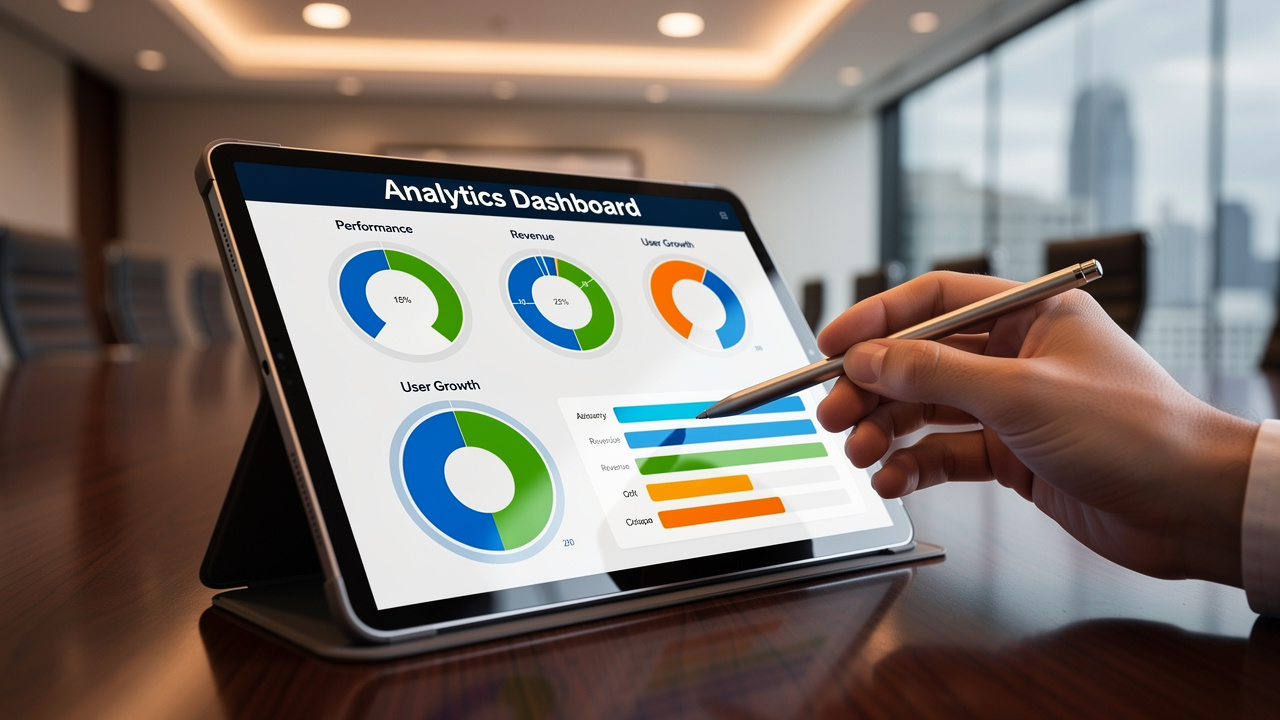
The most important pipeline metrics for founders are a small, focused set. Track number of qualified leads, conversion rate by stage, age of leads, pipeline coverage ratio, time to opportunity, and follow-up speed. Together these numbers show where revenue is safe and where it leaks.
Pipeline coverage is especially important, and Early Impacts of M365 Copilot research highlights how AI-assisted tools are reshaping how sales teams track and act on pipeline data. Many B2B teams work toward roughly three times coverage, meaning three dollars in active pipeline for every dollar of target. Benchmarks from Salesforce and HubSpot both point to this general rule, with tweaks by industry and win rate.
Here is a simple table you can use when setting up reports in tools such as Salesforce or HubSpot. Keep the names consistent so everyone reads dashboards the same way.
| Metric | What It Measures |
|---|---|
| Number Of Qualified Leads | Count of prospects that meet your ICP and pass basic qualification tests |
| Conversion Rate By Stage | Share of deals that move from one stage to the next without dropping out |
| Age Of Leads | How long each opportunity has sat in the pipeline without meaningful progress |
| Pipeline Coverage Ratio | Total pipeline value compared with your revenue goal for the same period |
| Time To Opportunity | Days from first touch to entering the first qualified opportunity stage |
| Follow-Up Velocity | How quickly you or your reps reply after a form fill or meeting request |
When you review these numbers weekly, patterns appear quickly. You might see that cold email produces volume but poor conversion, while phone calls drive fewer yet better deals. That kind of insight lets you improve your sales pipeline generation process without guessing.
The Right Way To Approach Sales Pipeline Generation As A Founder
The right way for founders to approach sales pipeline generation is to treat it as a living system, not a one-time task. That system rests on repeatable stages, real human conversations, and data that guides each small change. With those pieces, even a tiny team can sell like a larger one.
First, lock in a simple five-stage pipeline and clear exit tests for each step. Second, commit to daily outbound across phone, email, and LinkedIn so the top of the funnel never runs dry. Third, watch a handful of metrics so you spot issues before a quarter slips away.
Founders do not have to handle all of this alone. A partner such as Superhuman Prospecting brings a trained, US-based SDR team, the H2H Sales Method, live quality control, and the Supervision Dashboard to your program. When you are ready, book a short call with their team and see how a managed outbound engine could support your next growth stage.
Frequently Asked Questions
This section answers common founder questions about sales pipeline generation in a clear, concise way. Each answer stands on its own, so it can help even if you skim the rest of the guide. Use these as quick reference points while you design or refine your own pipeline.
Question 1: What Is The Difference Between Sales Pipeline Generation And Lead Generation?
Sales pipeline generation covers the whole path from first contact to closed deal. Lead generation only focuses on finding or capturing new contacts. Pipeline work includes qualification, nurture, proposals, and closing steps. That wider view is what turns simple leads into real, forecastable revenue.
Question 2: How Many Leads Do I Need In My Pipeline To Hit My Revenue Target?
Most B2B teams aim for around three times pipeline coverage to reach targets. That means three dollars of active opportunities for every dollar of quota. The real number depends on your win rate, average deal size, and sales cycle length. A tighter ICP focus usually lowers the coverage you need.
Question 3: How Long Does It Take To Build A B2B Sales Pipeline From Scratch?
A new outbound program typically starts generating qualified meetings within thirty to sixty days. The full pipeline, from first touch to closed deals, usually takes longer because sales cycles vary. The biggest driver is consistent outreach. Daily activity builds momentum far faster than short, intense bursts. Plan for at least one full sales cycle before you judge whether your approach is working.
Question 4: Should Founders Do Their Own Prospecting Or Outsource It?
Founders often start by prospecting themselves, but that approach does not scale well. Time spent dialing and emailing steals focus from closing, product, and hiring. Outsourcing to a partner such as Superhuman Prospecting gives you a ready SDR team, trained in H2H conversations, without the cost and delay of building in-house. Even if you outsource, stay close to the early conversations so messaging still reflects your market insight.
Question 5: What Outreach Channels Work Best For B2B Pipeline Generation?
The strongest B2B pipelines usually come from a mix of cold calling, cold email, and LinkedIn. When those channels work together, prospects see your name several times in different places. Human-led cold calling, especially with manual dialing, often produces the richest conversations and the highest quality opportunities.